

Epic American West RV Destinations

Updated: Mar 25
Ready to discover some of America’s top RV destinations? After months of research, reviews, and conversations with experienced travelers, we’ve put together our ultimate US RV bucket list. Here are our top 5 must-see spots for your next adventure.

This 1,875-mile loop is the most efficient, RV-friendly route to hit the American West’s top spots: Glacier, Yellowstone, the Black Hills, Zion, and the Grand Canyon. By utilizing well-maintained highways like I-90 and US-89, this itinerary minimizes steep mountain passes and maximizes accessible, breathtaking scenery.

First Up, Glacier National Park, Montana:
If you want a destination that takes your breath away, Glacier National Park in Montana should be on your bucket list. With dramatic mountain scenery and some of the most beautiful drives in North America, it’s a paradise for adventurers and nature lovers.
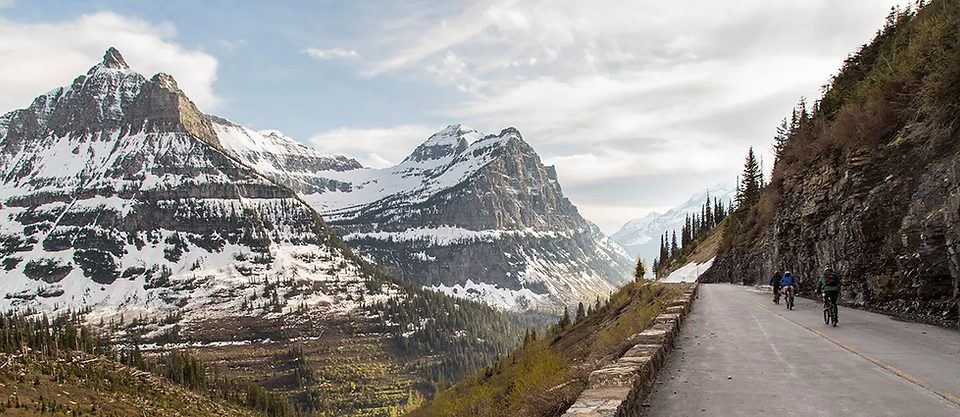
Glacier National Park


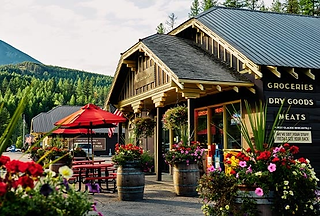


Here’s why this “Crown of the Continent” should be your next stop:
See History Melt: When the park was founded in 1910, it had 80 glaciers. Now, only about 26 remain, so it’s a must-see while you still can.
Drive the Iconic Sun Road: The Going-to-the-Sun Road crosses the Continental Divide at Logan Pass and offers dramatic, unforgettable views.
Vehicle Size: 🚗Going-to-the-Sun Road usually limits vehicle length to 21 feet.
An International Wonder: Glacier joins with Canada’s Waterton Lakes National Park to create the first International Peace Park, giving you even more to explore.
Incredible Wildlife: Glacier is a top spot to see 71 mammal species, including grizzly bears, mountain goats, and bighorn sheep.
Don’t wait. See Glacier’s stunning beauty while you still can.
🐶Pets: While most trails don’t allow pets, you can walk leashed pets in developed front-country campgrounds and along roads. Lake McDonald’s shore near Apgar Village provides a pleasant spot for a pet-friendly picnic.
Essential RV & Camping Amenities
🚐Inside the Park: Campgrounds like Apgar and St. Mary are surrounded by nature, but usually don’t have electricity, water, or sewer hookups.
Private RV Parks: For full hookups, check out nearby RV parks, such as those in Essex, which offer 30/50 amp service, laundry, Wi-Fi, and propane.
🐻Bear Safety: Bear spray is a must and can be rented or bought near the park.
Connectivity: 📱Cell service is limited, so expect to be out of range in most areas.
Key Planning Tips
Reservations: Book your campsite 6 months ahead, as many fill up right away.
Timing: July and August are best for high-elevation trails. For fewer crowds and good weather, visit in late June or early September for a quieter experience.
To break up the ~7-hour drive between Glacier National Park and Yellowstone, Helena, Montana, is an ideal midway stop, offering a perfect blend of history, local breweries, and outdoor relaxation. Visitors can explore the historic downtown, take a boat tour through the Gates of the Mountains, or enjoy patio dining at local spots like Ten Mile Creek Brewery.

Helena, Montana 
Ten Mile Creek Brewery 
Ten Mile Creek Brewery Map from Glacier to Yellowstone
Next up is Yellowstone National Park, where you’ll experience its amazing natural wonders in both Wyoming and Montana
If you want a wild adventure, Yellowstone National Park should be at the top of your travel list. Covering 2.2 million acres in Wyoming and Montana, it’s more than just a park. Yellowstone is a living wilderness powered by a huge supervolcano.
Here’s why Yellowstone is a must-see on your next trip:
Geothermal Wonderworld: Yellowstone is home to half the world’s active geothermal features. You’ll witness the surreal, vivid colors of hot springs, bubbling mud pots, and iconic geysers like Old Faithful.
A "Serengeti" of Wildlife: This is one of the best places in the lower 48 to see massive, free-roaming herds of bison, along with elk, wolves, and grizzly bears in their natural habitat.
Year-Round Adventure: You can hike in comfortable 70 to 80°F summer weather or explore a quiet, snowy winter landscape that’s only accessible by snowcoach. Each season brings its own special experience.

Yellowstone National Park


Essential Tips: Book Yellowstone lodging or campsites 6-12 months early.
For a better experience, book via Recreation.gov or the National Park Service. explore Lamar Valley at sunrise for wildlife, drive between Norris and Canyon for fewer crowds, and hike Trout Lake. Make sure to pack warm layers for chilly nights and carry bear spray.
🔌Where to Hook Up: If you’re traveling by RV and need full hookups, Fishing Bridge RV Park is your only choice inside Yellowstone. It’s the only campground in the park with water, sewer, and 30/50 amp electric hookups.
Bring extra-long, sturdy water hoses and sewer lines as utility hookups are located far from the actual parking spot. It’s also smart to have both 30- and 50-amp adapters.
Important: 🐻Because of grizzly bear activity, only hard-sided RVs are allowed here. Tents and tent trailers are not permitted.
Other Options: If Fishing Bridge is full, look for private RV parks in West Yellowstone or Gardiner. You can also try NPS campgrounds at Mammoth or Norris, which have flush toilets but fewer amenities.
🚐Vehicle Limitations & Road Safety: Check that your RV fits the campsite. Many Yellowstone campgrounds can’t take rigs over 35 feet, and some only allow up to 25 to 30 feet. Fishing Bridge RV Park can accommodate RVs up to 40 feet, while others like Canyon, Madison, and Grant Village have limits of 30 to 40 feet. Always check size limits on Recreation.gov before you book.
Note: Yellowstone roads can be narrow, winding, and busy, especially if your RV is over 30–35 feet.
🐶 Pet Policies in Yellowstone National Park: While Yellowstone is not considered highly pet-friendly, you can still enjoy the park with your furry friend if you follow strict rules. Pets must be on a leash (maximum 6 feet) at all times and are restricted to developed areas, such as parking lots, paved areas in Mammoth Hot Springs, and campground loops. They are prohibited on all hiking trails, boardwalks, and in the backcountry.
🛒 Supplies, Stock Up Early: Don’t wait until you’re inside the park to buy groceries. Supplies are limited and cost more.
Stock up on supplies in Bozeman, MT, or Cody, WY, before heading into remote areas. Bozeman offers big-rig-friendly parking at Walmart Supercenter, Safeway, and Town & Country Foods. In Cody, Walmart Supercenter and Albertsons provide spacious, RV-friendly options, while Cody Country Farmers Market offers accessible, nearby parking.
Tip: Avoid limited, pricey options in smaller towns by shopping in these hubs first.

🏔️ Comforts- Surviving the Cold: Even during July and August, nights in Yellowstone can get very cold.
🛏️ Blankets & Warmth: Bring extra blankets and sweaters. If you’re in a camper van, a cold-weather sleeping bag is essential.
Gear Rental: If you’d rather not bring all your camping gear, rent kits from REI.
💡 Final Trip Notes:
📱 Cell Service: Coverage is unreliable, so download offline maps before you arrive.
🐻 Wildlife: Always carry bear spray and know how to use it.
Generator Policy: Generators are allowed but must not exceed 60 decibels at 50 feet and cannot be used in tent-only sites; quiet hours are 10 p.m. to 6 a.m.
Safe travels, and enjoy those bison traffic jams!
Map from Yellowstone to Rapid City 
Maverick Gas Stop in Cody, Wyoming 
The Blanca Tatanka Bar and Grill 
The Cody Dug Up Guns Museum
For a drive from Yellowstone to Rapid City, the most strategic and scenic town to stop, rest, and eat is Cody, Wyoming. Located roughly two hours from the park’s East Entrance, it serves as the perfect "first big stop" to refuel before the long stretch across the Bighorn Mountains.
Then, journey to the Black Hills and Rapid City, South Dakota—an essential bucket-list destination
If you want a place with amazing history, outdoor adventure, and charm, the Black Hills and Rapid City, South Dakota, should be at the top of your list.
The area is famous for Mount Rushmore and Custer State Park, but there’s much more to explore than just a quick photo with the presidents.

Mount Rushmore


Here’s why this Midwest hidden gem should be your next adventure:
1. Conquer the Highest Point East of the Rockies
Imagine standing on the highest point between the Rockies and the Pyrenees. Black Elk Peak rises to 7,244 feet. Hike to the top to explore the Black Elk Wilderness and climb a historic stone fire tower for incredible 360-degree views.
2. Walk Among Presidents (Literally!)
Downtown Rapid City is called the "City of Presidents." Life-size bronze statues of every U.S. President line the streets, turning a walk through town into a fun, free historical scavenger hunt.
3. "Free" Camping & Unmatched Public Land
If you enjoy camping, this is a great place for you. The Black Hills National Forest has 30 campgroundss, including Sheridan Lake or Pactola Reservoir, but the real secret is the many dispersed camping spots, which are often free. Here, you can enjoy pine forests, streams, and peaceful solitude.
4. Over 4,500 Miles of Adventurous Trails
If you love off-road adventures, the Black Hills are perfect. There are over 3,800 miles of roads and 700 miles of trails for OHVs and ATVs, letting you explore rocky canyons and dense forests.
5. Monumental Cultural Icons
Beyond Mount Rushmore, you’ll find the huge Crazy Horse Memorial, still being carved to honor Native American heritage. It’s an impressive sight you have to see for yourself.
The Bottom Line: Whether you want a scenic drive, a challenging hike, or a trip full of history and adventure, the Black Hills and Rapid City have it all. Don’t just pass through. Take time to explore this American hidden gem.
Essential RV & Camping Amenities
🔌Full Hookups: Look for sites with 50/30-amp electric, water, and sewer to ensure comfort in private parks or top-rated RV resorts like Hart Ranch.
📱Connectivity: Many scenic areas in the Black Hills have limited cell service. Verizon and AT&T usually have the best coverage, while T-Mobile can be spotty. Bring a mobile hotspot or SIM card from these providers for better internet, and consider a signal booster for remote spots. Planning ahead helps you stay connected for work or keep in touch with family.
🔥Fire Pits & Firewood: A staple for evenings, especially in designated camping areas or Forest Service sites.
🏔️Proximity to Attractions: Choose locations near Keystone or Rapid City to minimize driving to Mount Rushmore, Custer State Park, and Badlands.
🐶Pet-Friendly Facilities: Black Hills & Rapid City allow leashed pets in most areas, including trails and campgrounds. Custer State Park allows pets in campgrounds and on most trails, but they must be leashed and are not allowed on designated swim beaches or in park buildings. Always check individual park rules for seasonal or local variations.
⛺Year-Round Accessibility: While most sites are seasonal (May-October), some parks, like the Rapid City/Black Hills KOA, offer year-round, limited-service options.
Salt Lake City is the perfect midway point to rest and refuel on the ~14-hour drive from the Black Hills to Zion National Park. As an ideal "Halfway Hub," the city offers great dining near Temple Square or a scenic stretch at the nearby Thanksgiving Point to break up the journey.
Map from Rapid City to Zion National Park 
Temple Square 
Museum of Curiosity 
Thanksgiving Point
Finding Refuge in the Red Rocks is our next stop: A Journey Through Zion National Park, Utah
When you enter Zion, it feels like walking into a natural cathedral. Tall sandstone walls rise 2,000 feet above, painting the sky with reds, oranges, and whites. With over 4 million visitors each year, Zion is more than just a hike. It’s a beautiful display
of nature’s art.

Kolob Arch


Why It’s Absolute Magic
The Scale: Zion showcases breathtaking geological wonders, including the massive Kolob Arch. Spanning roughly 287 feet, this structure stands as one of the world's largest freestanding arches, perfectly embodying the park's wild, rugged beauty.
The Experience: Zion gets over 4 million visitors a year, but with good planning, you can still find peaceful, beautiful spots to enjoy.
📸 The Views: Whether you’re climbing Angels Landing or walking through The Narrows, every part of Zion offers amazing scenery.
Weather & Gear: Pack ample water and sun protection for the dry heat. Bring leveling blocks for uneven campgrounds.
Logistics: Parking fills by 8 a.m., so arrive early!
How to Do It Right (The "No-Stress" Guide)
Zion requires advanced planning for a successful trip, but the stunning views are worth it. Book Watchman Campground (electric, up to 40 ft) or Springdale private parks (Zion Canyon, Driftwood, River Resort) months ahead.
Key Planning Tips:
Book Early: Secure spots months in advance on Recreation.gov is ideal.
First-Come/Free Camping: Check Lava Point or South Campground; use BLM land along Sheep Bridge Road (BLM 329) or near Virgin River.
Respect the Land: Follow Leave No Trace, check fire restrictions, and keep a low profile when boondocking.
🐶Pets: Keep your pet safe and compliant by using a 6-foot leash at all times. Pets are only permitted on the Pa’rus Trail and prohibited on shuttle buses and all other trails. For their safety, avoid the toxic, algae-prone Virgin River and protect them from high heat.
Zion is unforgettable, so prepare properly to make the most of your visit!
Map from Zion NP to the Grand Canyon 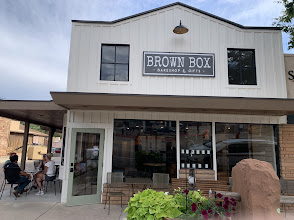
Brown Box Cafe 
Crimson Canyon 
White Mountain Horseback Trail
The route between Zion National Park and the Grand Canyon (South Rim) winds through the breathtaking high-desert landscapes of the American Southwest. For a 4- to 5-hour journey, Kanab, Utah—famously dubbed 'Little Hollywood'—is the premier stop for refueling and exploring local history.
Grand Canyon National Park, Arizona:
Picture waking up, stepping out of your RV, and breathing in the fresh South Rim air. At Grand Canyon National Park’s Trailer Village, you can do just that, with full-hookup sites right in the heart of the park.
If you haven’t added this to your bucket list, you’re missing out on one of the world’s greatest natural wonders.
Here’s why you should visit:
A True Time Capsule: The canyon shows about 2 billion years of Earth’s history, which is almost half the age of our planet.
A Living Wonder: The Grand Canyon is home to Supai Village, where the Havasupai tribe lives and mail is still delivered by mule.
Epic Stargazing: As an International Dark Sky Park, the Grand Canyon offers some of the best and clearest stargazing in the country.
Unpredictable Wonder: The canyon is so big that it creates its own weather, which can change quickly from the rim to the bottom.

The Grand Canyon


🐶Pets: Leashed pets can join you along the paved Rim Trail above the canyon’s edge. The South Rim Trail from Mather Point to Yavapai Museum offers fantastic views and is pet-friendly. There’s also a boarding kennel at the South Rim if you want to explore pet-restricted areas.
Essential RV & Camping Amenities
In-Park RV Camping: 🔌For year-round, full-hookup (water/sewer/electric) RV sites on the South Rim, Trailer Village is the only option, offering paved, 50-foot-capable pull-throughs. Alternatively, Mather Campground suits rigs up to 30ft, though it has no hookups. Note that South Rim parking for vehicles over 22 feet is limited.
Tip: If you want to be right on the rim, pick Trailer Village! If you are looking for a more "nature" feel and don't need power, Mather is your spot, but you'll be dry camping.
Reservation Tips: Trailer Village and Mather Campground fill up fast, especially during peak times. Reserve your site on Recreation.gov up to 13 months in advance to secure your preferred dates. The North Rim operates seasonally (mid-May to mid-October).
Nearby Full Hookups: Grand Canyon Railway RV Park in Williams (approx. 60 miles south) offers full hookups, laundry, and a pet playground. Grand Canyon Camper Village in Tusayan offers 50-amp sites.
Glamping Options: For luxury, Grand Canyon RV Glamping offers you the views without the maintenance. Consider pre-furnished rentals with kitchens, air conditioning, and fire pits.
At 7,000+ feet, prepare your RV for rapid weather shifts—from hot, intense sun to cold winds—and potential propane appliance adjustments due to lower oxygen levels.
🏔️Pack layers for both summer heat and winter snow, along with sunscreen and waterproof gear for afternoon storms. Prevent altitude sickness by hydrating, taking it easy on day one, and descending immediately if you experience persistent nausea or dizziness.
Key High-Altitude RV Tips:
High-altitude RVing offers incredible views, but thinner air requires some extra preparation to keep your rig running smoothly.
Engine & Power: Engines lose roughly 3%–3.5% of their power for every 1,000 feet of elevation gain. Expect slower, steadier climbs and keep an eye on your temperature gauge to avoid overheating.
Pro Tip: Pack extra water and be patient—your engine needs to take it slow!
Mountain Driving: Use lower gears (downshift) for both ascending and descending to manage engine stress and avoid overusing/burning out your brakes.
Propane Appliances: Above 5,000 ft, propane appliances like heaters, fridges, and water heaters may run inefficiently or fail. Opt for electric options (shore power) when available.
Tires & Systems: Check tires frequently, especially after major elevation changes. Thinner air can cause overinflation, potentially leading to increased pressure.
Generator Use: Carbureted generators may struggle with the air-fuel mixture; consider high-altitude kits or adjustments to improve performance.
Which of these five national parks are you most excited to visit?
Let us know in the comments!
Conclusion:
We hope this itinerary is the perfect fit for your next RV trip. From the steaming geothermal wonders of Yellowstone to the sheer, painted cliffs of Zion, this 1,875-mile loop isn't just a road trip—it’s a journey through the beating heart of the American West. Packing five iconic landmarks into one epic RV adventure, this itinerary promises more than just breathtaking views; it promises a shift in perspective. So, pack your bags, tune up the RV, and get ready to check the ultimate road trip off your bucket list. The open road is calling!
Happy Glamping!


What a great vacation compilation. Thank you for all of your hard work and excellent information.