

Choosing the Right RV Can Make Your Glamping Trip Much More Enjoyable

Updated: Aug 3
Get ready to start an exciting adventure: Choosing the right RV can make your glamping trip much more enjoyable for your whole family. This decision is important because choosing the right RV will shape your entire trip. Think of it as picking your home on wheels. Take your time to ensure your RV enhances your adventure.

Begin by making a list with your family and let everyone share what they need. This helps you find an RV with enough space for everyone. Look at the layout and decide where each person will sleep.
Size considerations
Small RVs, up to 20 feet long, work well for solo travelers or couples. They are easy to drive and park, but offer less living space.

Medium RVs, between 20 and 30 feet, balance comfort and features for small families. They are still easy to drive and park.
Large RVs, over 30 feet, are best for families or groups who need lots of space. They can be harder to drive and park, and some campgrounds have size limits.
Type
Bunkhouses, travel trailers, and fifth wheels each have different setups. Slide-outs help make small spaces feel bigger. Every type has its own pros and cons.
Size and layout: Look at how the living and sleeping areas are set up. Some people prefer separate sleeping spaces for privacy. Slide-outs add space at your campsite, but they also make the RV heavier and take up more room.
Lifestyle and activities: Pick an RV with features that fit how you like to travel. For example, if you enjoy cooking outside, look for one with an outdoor kitchen or entertainment system.
Budget: Be sure to include all costs, like maintenance and fuel, not just the RV's price. Bigger motorhomes use more fuel. New motorhomes can cost from $60,000 to several hundred thousand dollars. Maintenance may be $500 to over $2,000 a year, depending on use and condition. Insurance can be $1,000 to $2,000 per year. Add up these expenses to see the real cost of owning an RV. Before you buy, set a family budget and talk about your must-have features. This helps you make a confident, informed choice that fits your budget. Focusing on your priorities will make sure your RV adds to your adventures without stretching your finances.
Price is as important as your plans for cooking on the road. New RVs look great but can be expensive. Consider used options and don’t be afraid to negotiate. “Used” doesn’t mean “broken,” and you might find a great deal.
Be sure to do your research by making a checklist of the features and amenities that matter most to your family. Visit RV shows to see different models in person.
Prepare questions for dealers, like, 'What are the most common maintenance issues with this model?' or 'Can you show me how the slide-outs work?'
Read reviews from other RV owners online and make a list of pros and cons for each model you like. Reach out to RV owners' forums or social media groups to get real-world advice and stories about owning and traveling with an RV. Many people, as we came to appreciate, are happy to share their experiences. These steps helped us find an RV that feels like home, and they can help your family travel comfortably and happily, too.
Websites like RV Trader and Camping World offer a wide selection of new and used RVs, including the latest 2026 models. New RVs have the newest features and come with a manufacturer’s warranty, which can give you peace of mind. However, they cost more and, like cars, lose value quickly once you drive them off the lot.
Used RVs cost less up front and lose value more slowly, making them a good choice for first-time buyers or anyone on a budget. They may need more maintenance or repairs, and older models might not have the latest features. Keep these points in mind to help you decide what’s best for you.
Motorhomes
Pros:
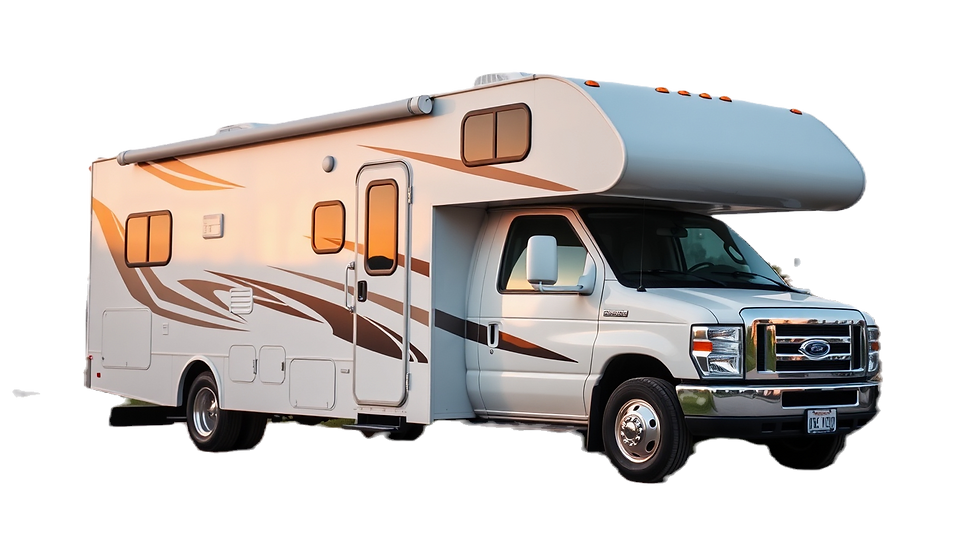
Easy to drive and move, and passengers can use the RV’s amenities while on the road.
A good choice for people who travel often or want a self-contained home on wheels, featuring slide-outs, high-end appliances, entertainment systems, and custom finishes.
Good for beginners, especially Class B and C models, which are easier to handle.
Cons:
Usually cost more, starting at about $60,000 for a new base model.
Class A RVs get about 5 to 10 miles per gallon.
If you want to explore the area with a separate vehicle, you will need to tow a smaller car behind the RV.
Fifth Wheels
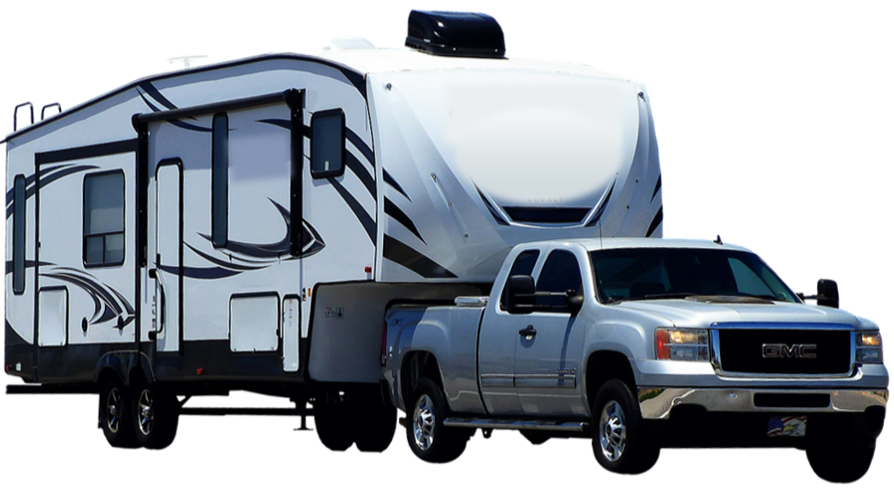
Pros:
Usually have bigger living spaces and higher ceilings.
They are more stable to tow because the hitch is in the truck bed, which spreads the weight more evenly.
Great for people who plan to stay in one place for a long time.
Cons:
You’ll need a strong truck to tow them.
They can be heavy and more difficult to move in tight spaces.
They may cost more than travel trailers.
Travel Trailers
Pros:

They are usually the most affordable and budget-friendly option.
They are lighter than fifth wheels, so you can often tow them with a smaller, less expensive vehicle.
After you unhitch, you can use your tow vehicle to explore the area.
Cons:
They take more time and effort to set up at each stop, including hitching, unhitching, and leveling.
They can be hard to tow and back up, especially if you are new to RVing.
Other factors to consider
If you plan to move often, a smaller RV is more practical. If you want to stay in one place for a while, a larger RV can be more comfortable.
Towing capacity: If you choose a towable RV, make sure your vehicle can handle its weight. Going over your vehicle’s towing limit is unsafe (we learned this the hard way). Check your owner's manual or the manufacturer's website for the right towing information. This helps you make safe, informed choices.
Amenities: Larger RVs often have more features, like full kitchens with an oven and microwave, and full bathrooms with a shower, toilet, and sink.
Some RVs offer extra conveniences, such as a separate shower or two bathrooms for more privacy. Smaller RVs may have simpler features.
Campground restrictions: Some campgrounds limit RV size, so a smaller RV can give you more choices for places to stay.
Tips for choosing:
While renting, test the sleeping arrangements to make sure everyone is comfortable. Check the storage options and see if they fit your family’s needs, like space for luggage and sports gear.
Pay attention to how easy the RV is to drive, park, and move around. These experiences will help you make a better decision and find an RV that fits your adventures.
Prioritize needs: Decide which features are essential, like enough beds for everyone. Consider bunk beds for kids or sofas that turn into beds for guests. Families may need storage for toys and sports gear, like bikes or kayaks. Couples with pets might want pet-friendly flooring, built-in kennels, or easy-to-clean surfaces.
Look for RVs with plenty of storage and smart features, like under-seat compartments.
Comfort and convenience: Look for features that make your trip more comfortable, such as air conditioning and heating, especially if you plan to travel all year.
Don’t forget about technology. An RV with modern features can make your trip much easier. Look for things like Wi-Fi boosters, solar panels, or a touchscreen to control the lights. These features help keep everyone comfortable and connected during your adventure.
Get ready for an adventure! Choosing the right RV for your family is a big step toward exploring the outdoors. Enjoy the process and learn as you go. Soon, you’ll be enjoying your own RV and ready for many glamping trips. Buckle up, glamping family. It’s time to hit the open road!
Happy Glamping!


Comments