

10 Essential Tips for Traveling with Pets in Your RV

Updated: Mar 18
Traveling in an RV offers freedom and adventure, but bringing your pets along adds a layer of responsibility. Pets have unique needs that require planning and care to ensure a smooth journey for everyone. Whether you have a dog, cat, or other furry companion, these 10 essential tips will help you create a safe, comfortable, and enjoyable RV trip with your pets.

Prepare Your RV for Pet Comfort and Safety
Before hitting the road, make sure your RV is ready for your pet’s needs.
Create a designated space where your pet can relax and feel secure.
This could be a pet bed, crate, or a corner with familiar blankets and toys. Secure loose items that could fall or cause injury during travel.
Check that windows and doors have secure screens or locks to prevent escapes. Consider installing pet barriers if you want to limit your pet’s access to certain areas while driving. Safety harnesses or travel crates are essential to keep pets safe during transit.

Creating a "Pet Zone":
Effective strategies include setting up quiet, low-traffic areas (such as under tables or in modified closets), using familiar, unwashed bedding to provide comfort scents, and employing secured crates for safety during travel.
RV Pet Cleaning Hacks:
To manage pet hair and dirt in small spaces like RVs, use preventative measures (heavy-duty doormats, daily outdoor grooming, and washable furniture throws) and consistent cleaning with tools like >> portable vacuums, carpet rakes, and whisk brooms.
Managing Pet Behavior on the Road:
Acclimate pets to RV life through pre-trip training, routine maintenance, and stress reduction techniques. Key strategies include:
White noise- It helps reduce anxiety-induced behaviors like barking or destructive chewing by drowning out noises that trigger a "fight-or-flight" response.
Covering windows- Reduces territorial behavior and anxiety by removing visual stimuli, resulting in a quieter, more peaceful home.
Leash safety- Prevents bolting, reduces anxiety during walks, and strengthens the bond through calm, confident handling.
Gradual separation- Helps dogs cope with being alone, reducing distress behaviors such as panic, vocalization, or destructive actions.
Additional Tips:
Enrichment: Use puzzle toys or take long walks to tire out a pet and promote calmer behavior.
Consistency: Maintain a routine for feeding and exercise to create a sense of security.

DIY RV Fencing:
Portable playpens or DIY mesh fencing create safe, private yards for pets at camp. For maximum security, add privacy screens and block gaps near RV steps, but never leave pets unattended.
Pack a Pet Travel Kit
A well-stocked pet travel kit makes life on the road easier. Include essentials such as:

Food and water bowls
Enough pet food for the entire trip, plus extra
Fresh water supply
Leash, collar, and ID tags
Waste bags for cleanup
Medications and first aid supplies
Grooming tools like brushes and wipes
Favorite toys and comfort items
Having everything organized in one place saves time and reduces stress when you need something quickly.
Plan Your Route with Pet-Friendly Stops
Not all RV parks or rest stops welcome pets, so research your route carefully.

Look for campgrounds and parks that allow pets and offer pet-friendly amenities, such as dog parks or walking trails. Plan regular breaks every 2-3 hours to let your pet stretch, use the bathroom, and burn off energy.
Apps and websites dedicated to pet travel can help you find suitable stops. Always check the rules and restrictions of each location before arrival to avoid surprises.
Pet-Friendly Campgrounds:
Reviews of top-rated, pet-friendly, and dispersed camping spots.

BringFido: Excellent for finding pet-friendly campgrounds, hotels, and, more importantly, evaluating pet policies and reviews.
The Dyrt: Features extensive, detailed filters to find pet-friendly camping, including special mentions for, and reviews about, dog-friendly sites.
Hipcamp: Ideal for finding unique, private, and public campsites that welcome dogs.
National Parks with Pets:
Guide to exploring, focusing on places that allow pets on trails.
DogPack: Best for finding nearby dog parks, off-leash areas, and hiking trails while camping.
Allstays Camp & RV: A comprehensive app with detailed, offline-capable filters to find campgrounds, including specialized searches for pet-friendly options.
KOA (Kampgrounds of America): Features "KampK9" dog parks at many locations, making it a reliable choice for pet-friendly, amenity-rich camping.
Pet-Friendly Activity Guide: Ideas for hiking, visiting beaches, or finding doggy daycare when you need to leave them behind.
Adventures with Cats: Tips for leashed hiking with cats or acclimating them to RV travel.
Keep Your Pet Hydrated and Fed
Travel can be dehydrating and stressful for pets. Offer water frequently, especially during warm weather or after exercise.
Avoid feeding your pet right before driving to prevent motion sickness, but maintain regular meal times to keep their routine consistent.
Bring familiar food to avoid digestive upset. If you need to switch brands or types, do it gradually before the trip to prevent stomach issues.
Maintain a Comfortable Temperature Inside the RV

Pets are sensitive to temperature changes. Never leave your pet alone in the RV without ventilation or climate control.
Use fans, air conditioning, or open windows with secure screens to keep the air fresh and cool.
In colder weather, provide warm bedding and consider pet-safe heating pads. Monitor your pet for signs of overheating or cold stress, such as excessive panting, lethargy, or shivering.
Keep Your Pet’s Identification Updated
Accidents happen, and pets can get lost.
Make sure your pet wears a collar with up-to-date ID tags that include your contact information.
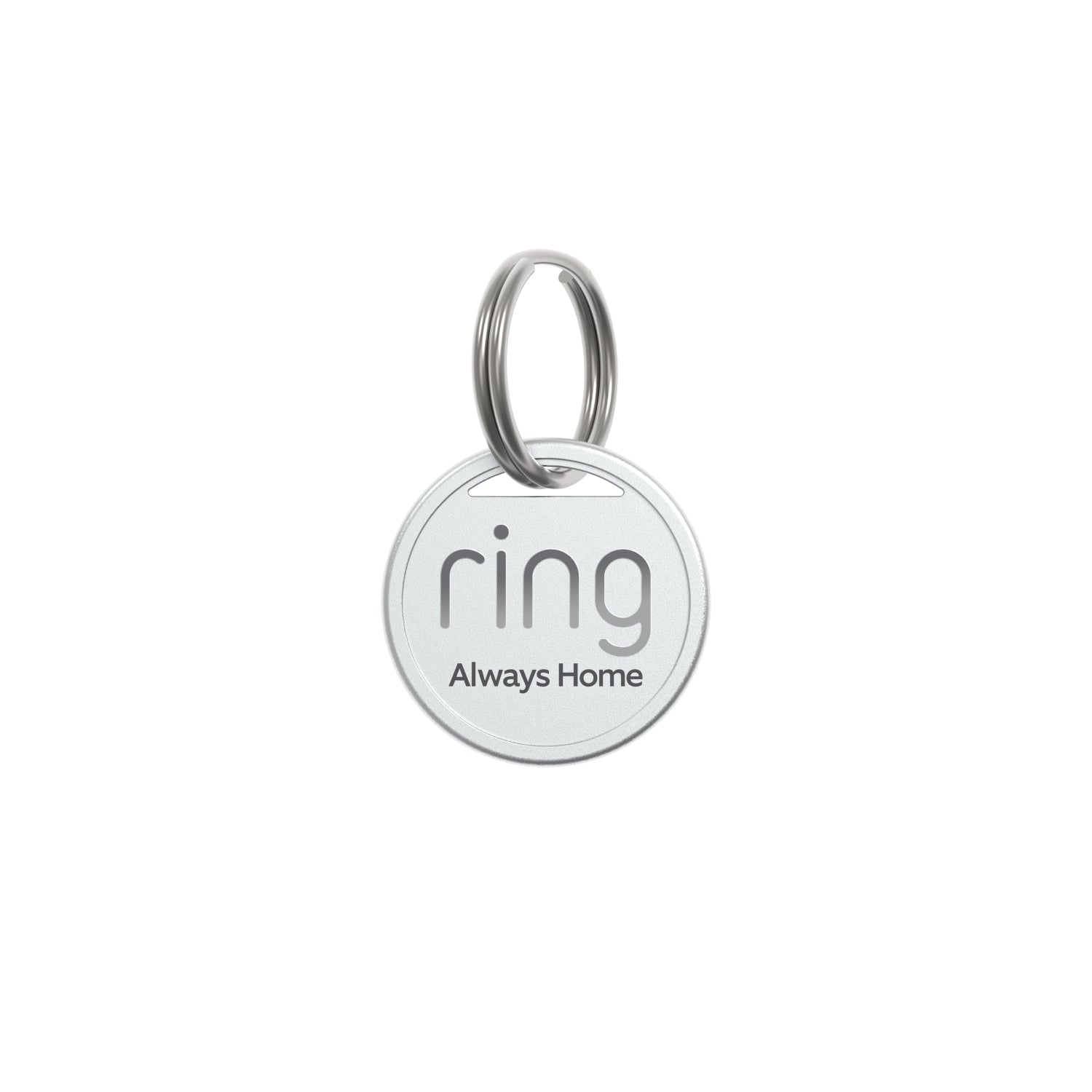
Microchipping your pet adds an extra layer of security.
Carry a recent photo of your pet and any medical records in case you need to report a lost pet or visit a vet far from home.
Establish a Routine on the Road
Pets thrive on routine, so try to keep feeding, walking, and playtime consistent. This helps reduce anxiety and keeps your pet comfortable, even in a changing environment.
Set aside time each day for exercise and mental stimulation. Bring interactive toys or puzzles to keep your pet engaged during downtime.
Monitor Your Pet’s Health and Behavior
Travel can affect pets differently.
Watch for signs of stress such as excessive barking, whining, pacing, or changes in appetite.
If your pet shows signs of illness or injury, seek veterinary care promptly.
Keep a list of emergency vets along your route and near your destinations.

Having a plan in place can save valuable time in an emergency.
Preventing Heatstroke: Review of remote temperature monitors (like Waggle) and best practices for leaving pets in the RV.
When traveling with pets, prioritize safety by keeping vaccinations (especially Parvo and Leptospirosis) up to date, researching local hazards, and avoiding high-risk areas such as standing water, dog parks with unknown dogs, or areas with dense wildlife feces. Pack a pet-specific first-aid kit, and always carry vaccination records.
The Pet Emergency Kit: A checklist of pet first-aid, vet-prescribed medications (like metronidazole for diarrhea) and medical records.
Securing Pets During Travel: Safe, comfortable travel spots, seatbelts, or carriers for both dogs and cats.
Emergency Vet Locator: Tips for finding 24-hour emergency care in remote locations.


Respect Other Campers and Wildlife
Not everyone is comfortable around pets, so keep your pet on a leash in shared spaces and clean up after them.
Avoid letting your pet chase wildlife or disturb natural habitats.
Teaching your pet basic commands like “sit,” “stay,” and “leave it” helps maintain control and respect for others.
Prepare for Unexpected Situations
Travel brings surprises. Have a backup plan for bad weather, vehicle breakdowns, or sudden closures of pet-friendly sites.
In addition to carrying extra supplies and knowing where to find pet stores or vets along your route, consider pet insurance for peace of mind during your travels. Being prepared helps you handle challenges calmly and keeps your trip enjoyable.
Product Reviews
Must-Have Gadgets: Ramps for older dogs, GPS trackers, and portable water containers.

This sturdy, non-slip dog stair system is a travel game-changer. It's wide for stability, folds up i 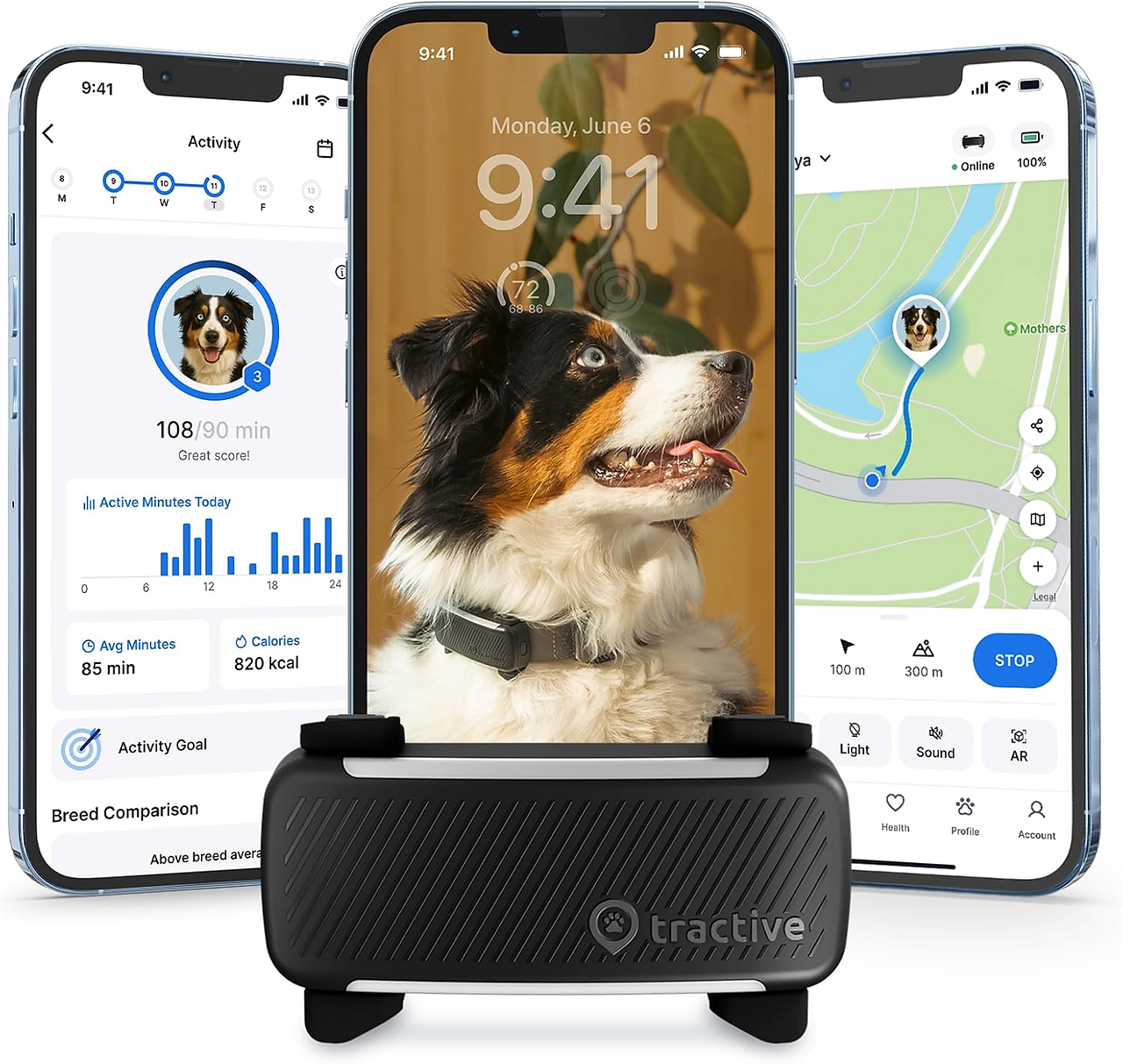
This smart GPS tracker offers real-time location tracking, customizable virtual fences, and even mon 
Stop carrying extra gear! This 2-in-1 foldable dog water bottle is a game-changer. The cap flips int
Final Thoughts:
Traveling in an RV is arguably the most flexible way to explore the world with your pets, but its success hinges on preparation. By researching pet-friendly spots early and staying mindful of their needs—like temperature control and familiar routines—you ensure the road is as enjoyable for them as it is for you. Pack your patience, your first-aid kit, and plenty of treats, and you’ll be ready for a 'paw-some' adventure.
Happy Glamping!
Thanks for stopping by! This post may contain affiliate links, meaning we get a small commission if you purchase through them—at no extra cost to you. These partnerships help keep the site running, and we appreciate your support! For more information, check out our full disclaimer.


Thank you for this information. I have some preparation to start considering.
I have a place in mind that does accept pets and they come with high marks. I just need to use your information to make sure that my pets are safe and comfortable.
Excellent Information! We have a Rotweiller and a Shih Tzu that travel with is all the time. Our rotweiller is a registered service dog, so we sont have many issues of where we can stay. We still need to be mindful of "pet friendly" locations because of our Shih Tzu. Your lost of locations is very helpful. Thank you for all of your hard work!!
This is the most comprehensive guide I've read. Your tips on the Waggle pet monitor and Ring pet tracker are exactly what I needed.