

How to Get Mail Anywhere: The Nomadic Guide to Mail Services

Updated: Mar 29
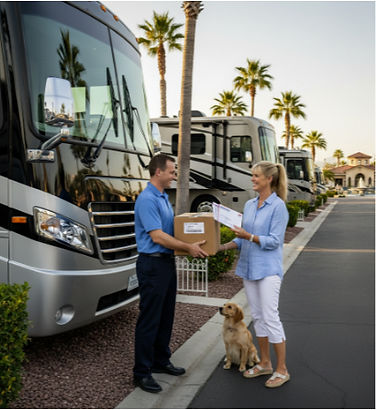
Embracing the nomadic lifestyle doesn't mean leaving your mail behind. For travelers, RVers, and digital nomads, a virtual mailbox is the ultimate freedom—no more panicking over lost letters or bothering friends to check your mail.
But how do you actually keep a legal address for taxes, insurance, and banking while on the move? From professional mail-forwarding services to Campground Offices and USPS General Delivery, the options can be overwhelming. This guide breaks down everything you need to know to find the perfect, stress-free mail solution for life on the road.
Best Solutions by Need:
Establish Your Legal "Home Base" on the Road: (Best for full-time RVers needing Professional Dedicated Forwarding Services)
Living full-time in an RV means you need a legitimate, legal address for taxes, banking, and driver’s licenses—something a standard P.O. Box just can't provide. Professional mail-forwarding services solve this by providing you with a real street address that serves as your legal domicile.
Escapees RV Club: The gold standard for nomads. They are excellent for establishing domicile in tax-friendly states like Texas, Florida, or South Dakota, and provide full-service mail/package handling.
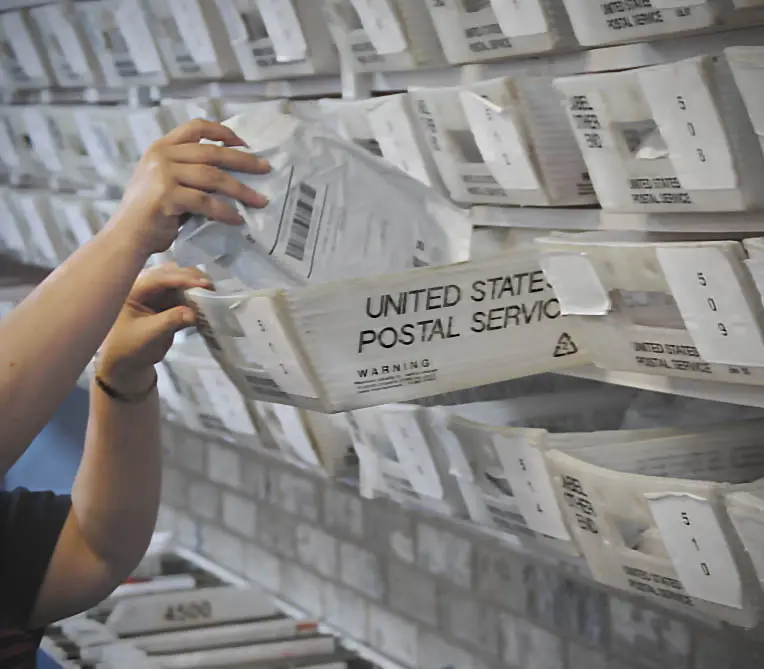
iPostal1: Offers thousands of real street addresses nationwide, perfect for 24/7 online mail management and professional forwarding.
How to Get Started:
Sign Up: Choose your provider and sign up online or via phone.
Authorize: Complete the USPS Form 1583 (usually via online notary) to allow them to handle your mail.
Update Contacts: Share your new address with banks, family, and subscriptions.
Manage Online: Use their app or web dashboard to view scans, request shredding, or schedule forwarding to your current campsite.
Frequent Package Deliveries: (Best for Virtual Mailboxes/Amazon Lockers)
If you move quickly or get lots of packages, these are your best options for flexibility:
Virtual Mailboxes (e.g., Traveling Mailbox, Escapees): These services provide a physical street address for receiving your mail and packages. Through an online dashboard, you can view, scan, shred, or forward items to your current location.
Amazon Lockers & Hubs: A lifesaver for travelers. Perfect for secure, last-minute, or non-urgent Amazon packages—especially when campgrounds don't accept mail. It's safe, and if you miss the pickup window, it often auto-refunds. (Tips for RVers receiving packages from Amazon)
Private Mailboxes/PMBs: One of the biggest hurdles of long-term travel is, 'Where does my mail go?' Places like The UPS Store offer a smart solution with their personal mailbox service. Instead of a 'P.O. Box,' you get a real street address, which is crucial for legal requirements such as residency, banking, and receiving courier packages. It’s a reliable, secure way to keep your mail safe, though you’ll need to factor in fees and in-person pickup.

USPS General Delivery: Need mail on the road? Use USPS General Delivery for a free, temporary mailing address at local post offices—perfect for nomads, vanlifers, and travelers.
Key Tips for Travelers:
The Process: You don't need to sign up in advance. Simply tell your sender to use "General Delivery" as the street address.
Addressing It Right: Use your legal name (matching your ID), then "General Delivery," followed by the City, State, and Zip Code for the United States Postal Service (USPS), designated for pickup.
Capitalization: Use all CAPITAL LETTERS for best machine readability.
Crucial Steps: Call the post office to confirm they participate. When picking up, ask the clerk for "General Delivery" and bring a valid photo ID.
Limitations: While most offices hold mail for 30 days, some have shorter limits (even 1 week in some locations). Large packages are risky, so keep them small!
*** This is a great, secure way to get mail without a permanent address.
Pro Tip: "General Delivery" only works for USPS—not UPS/FedEx—and not all post offices offer it. Always call ahead to confirm the branch accepts General Delivery.
The Verdict: Which one to choose?
Choose a Virtual Mailbox/PMB if you need a legal, permanent address for taxes, banking, and consistent, high-volume shipping.
Use General Delivery if you are moving frequently, don't need a formal residency address, and just need a free, temporary pickup spot.
Establish a Domicile: For full-time RVers, establishing a "domicile" in states like Florida, Texas, or South Dakota is crucial to minimize taxes, simplify vehicle registration, and streamline insurance. Because this legal home base dictates your taxes, voting, and license, choosing the right state impacts your finances and freedom.
Here is how to set up your new home base:
Select a Domicile-Friendly State: Choose Texas, Florida, or South Dakota for zero state income tax and use a specialized mail forwarding service for your legal address.
Update Legal Documents: Secure your new driver’s license and register your vehicles in that state.
Establish Official Residency: Register to vote and update your voter registration.
Update Insurance: Inform your insurance providers of your new, primary, "garaging" address.
Redomicile paperwork: Update bank accounts, investments, and wills to reflect the new address.
Create a Paper Trail: If required, spend time in the state and keep receipts to prove residency (such as campground receipts), as noted in this YouTube video.
Occasional Forwarding: (Best for travelers needing occasional mail access, these Budget/Flexible Services are ideal)
USPS General Delivery: A free service allowing you to pick up mail at a local post office for up to 30 days—perfect for short trips.
Budget Virtual Mailboxes: Opt for pay-per-use plans for affordable, on-demand scanning, giving you digital access to mail only when you need it.
This approach keeps costs low while maintaining essential mail access.
Campground/Park Mail: Many RV parks offer mail service, making it a convenient option for travelers. Always call ahead to confirm their policies, check for potential package fees, and verify the correct, specific address format to ensure your deliveries arrive safely.
Pro-Tips for Campground Mail:
Call Ahead: Always ask about mail policies before booking.
Use Proper Formatting: Include "c/o [Campground Name]" and your site number.
Verify Deliveries: Confirm they accept UPS/FedEx if you are ordering packages.
Don't let snail mail slow down your nomadic life. A virtual mailbox gives you the flexibility to manage your correspondence on the go.
Prioritize your needs: Do you need a legal address, package handling, or just basic scanning?
Analyze your habits: How often do you move, and how fast do you need your mail?
Match your needs to these options to secure a convenient, reliable solution.
For more, read on in the Mail & Packages on the Road: The Best Solutions for RV Life guide.
Important: Research state-specific rules, as these can impact your taxes and residency.
Choosing the right mail service is important for digital nomads and travelers because it helps keep your legal and financial matters in order while you’re on the go. You can pick from advanced virtual office services or basic post office options, depending on what works best for you. Find a service that fits your needs, set up mail forwarding, and enjoy your travels without worrying about being tied to one address.
Happy Glamping!


Fantastic information!!!