

RV Surge Protectors Are Sacrificial Devices

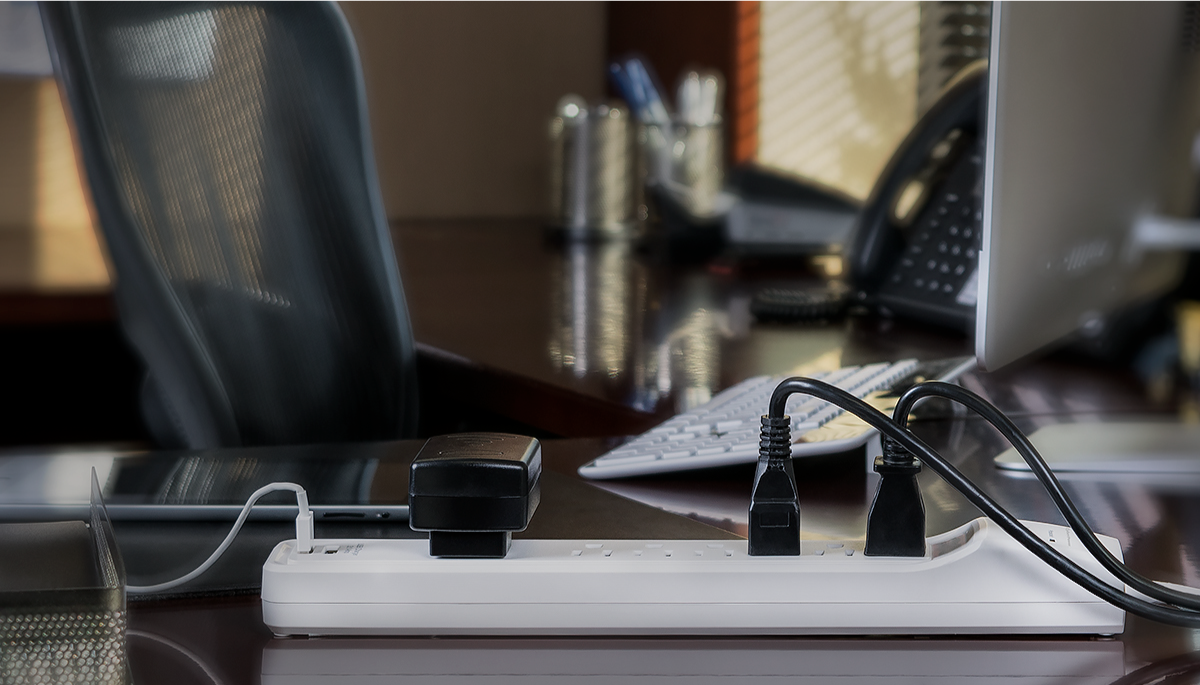
RV surge protectors are sacrificial devices, meaning they have a finite lifespan measured in joules—the amount of surge energy they can absorb before failing. Once internal Metal Oxide Varistors (MOVs) are exhausted from absorbing spikes over time, the unit becomes a useless power strip, offering no protection.

These devices are considered sacrificial. Similar to a crash helmet, after a significant impact or repeated smaller hits, its protection capabilities are exhausted.
LED Indicator:
Many, but not all, surge protectors have LED lights that turn off when the joules are depleted, signaling replacement is needed. If your surge protector lacks an LED indicator, look for other signs, such as a power outage in your RV or visible damage. Some units may make a clicking noise or feel unusually warm when they have failed. If there is no indicator or obvious sign of failure, track usage time and plan to replace the protector every 3–5 years, or sooner if you suspect a major surge has occurred.
How Many Joules?:
After checking how to monitor your surge protector's status, the next consideration is the joule rating. A higher joule rating generally means a longer lifespan and better protection for your electronics. For 30A RVs, a rating of over 3000 Joules is generally recommended. For 50A RVs, look for surge protectors with at least 4,000 to 4,500 Joules. Choosing the right rating for your RV's amperage ensures your setup is properly protected.
How to Know if Joules Are Left:
There is no reliable, affordable test for how many joules remain. When in doubt, replacement is generally the safest option to ensure your electronics stay protected.
Assume "No": If the unit is old or has survived a major storm, assume the joules are gone, and it is acting only as a power strip.
Trusted Brands:
Once you've considered joule rating, focus on choosing a reputable brand. Brands such as Hughes Power Watchdog, Progressive Industries, and Southwire are recognized for producing surge protectors and EMS units popular among RV owners. Selecting models from these trusted brands offers added peace of mind and simplifies your decision process.
Top 2026 RV surge protectors prioritize high-joule ratings, Bluetooth monitoring, and automatic shutoff (EMS) to protect sensitive electronics from power issues in the park.

Power Watchdog PWD50EPOW
Smart RV Portable Surge Protector 50 Amp - Patented WiFi and Bluetooth Connectivity - Monitor Voltage/Amperage/Wattage - IP65
Water-Resistant


Surge Protector vs. EMS:
After considering brands, decide whether a basic surge protector or a more advanced Electrical Management System (EMS) best meets your needs. A basic surge protector only handles power spikes, while an EMS offers superior protection by shutting down power in the event of low voltage, open grounds, or wiring faults.
If you often camp at older RV parks or places where power quality is unpredictable, investing in an EMS is a smart choice to guard against a wider range of electrical issues. For occasional use or when the budget is a concern, a surge protector still offers valuable protection against sudden surges.
Assess your needs, budget, and the types of campgrounds you visit to decide which is the best fit for your RV setup.
Installation and Usage Tips:
Once you've chosen your device, follow these steps to maximize protection.
First, always plug your surge protector or EMS into the power pedestal before connecting your RV, and ensure all indicator lights are in the normal state before turning on appliances.
Avoid leaving the surge protector exposed to rain or lying on the ground; use a weather-resistant cover or elevate it to protect from moisture and debris.
Confirm the device is firmly plugged in, and periodically check the cord and plug for signs of wear or damage.
Avoid common mistakes such as connecting your RV before the surge protector, which can expose electronics to unprotected power, and ignoring warning lights indicating wiring issues at the pedestal.
By following these steps, you can ensure you get the maximum benefit from your surge protection device.

Replacement Cycle:
Experts suggest replacing surge protectors every 3–5 years, or immediately after a major power event. Not all surges require immediate replacement. If there is no damage and indicator lights remain on, the protector may still function.
Replace the protector immediately if the "Protected" light is off, there is visible damage, or it stops working during or after a major surge.
Replaceable Modules:
Units like the Hughes Power Watchdog allow you to replace the surge module without buying a new unit.
Hughes Power Watchdog units (both portable and hardwired) feature a patented, user-replaceable surge module. If the unit takes a severe power surge, you can replace only the damaged module for approximately $50–$55, rather than replacing the entire, more expensive unit.
How it works: When the surge protection is compromised, a warning light indicates the module needs replacement. The module is a small board that can be swapped out using basic tools.
Warranty/Cost: Hughes often provides the first replacement module for free, and subsequent modules are available for purchase.
Versatility: This feature applies to the 30-amp and 50-amp Power Watchdog models.
This feature is designed to make maintenance easier and more cost-effective compared to other brands that require replacing the entire unit.

Key Considerations for 2026:
Always opt for an Electrical Management System (EMS) that shuts off power, not just a simple surge strip, to protect from low voltage. Low voltage is especially harmful because it forces appliances and electronics to draw more current, which can lead to overheating, premature wear, and even permanent damage to sensitive equipment. EMS units detect dangerous voltage drops and disconnect your RV before these risks can harm your electronics.
When choosing the right EMS, start by checking the amperage of your RV (30A or 50A), as using the wrong type can lead to compatibility issues or inadequate protection. You can determine your RV's amperage by checking the main power cord or the electrical panel: a 30-amp RV typically has a three-prong plug, while a 50-amp RV uses a four-prong plug. The RV’s electrical panel or the manufacturer’s documentation will also list the amperage.


Once you know your RV's amperage, consider whether you want a portable or hardwired unit, and look for features like Bluetooth monitoring.
For frequent travelers who want easy setup and flexibility, a portable EMS is ideal. If you stay in your RV full-time or are concerned about theft, a hardwired EMS offers more security and continuous protection.
Bluetooth App:
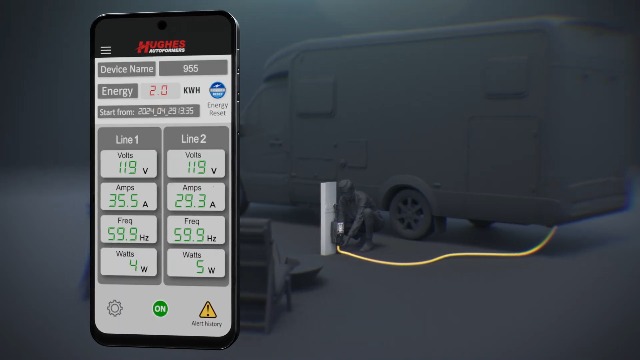
Real-time monitoring of voltage, amperage, and wattage is now standard on top-tier devices. Most Bluetooth-enabled surge protectors and EMS units offer companion apps that are compatible with both iOS and Android smartphones, allowing RV owners to monitor their electrical systems regardless of their device preference. Always check the specific app requirements to ensure compatibility with your phone or tablet.
Conclusion:
RV surge protectors are sacrificial devices with finite lifespans, so monitor joule ratings and LED indicators to avoid failure. Ensuring protection involves selecting trusted brands, replacing units after significant or cumulative surge impacts, and securing the RV's electrical systems.
Happy Glamping!
Please help us help the RV community! If you found value in this article, please forward it to a friend. Thanks so much for your support!
Thanks for stopping by! This post may contain affiliate links, meaning we get a small commission if you purchase through them—at no extra cost to you. These partnerships help keep the site running, and we appreciate your support! For more information, check out our full disclaimer.


Excellent information!! We use one similar to the Southwire unit. It has come in handy when we have boondocked using our generator or even at parks with full hookups. It's peace of mind and really, cheap insurance if you think about it that way