

Turnkey Comfort: The Future of High-End RV Resort Stays

Updated: Mar 29
The glamping market is pivoting toward turnkey, high-end RV resort experiences that merge luxury hotel comfort with scenic nature. Driven by social media demand, resorts are leveraging AI to generate immersive, photogenic content and curate premium, pre-set stays.


Furthermore, to avoid the logistical hassles of driving and maintenance, travelers are embracing "parked" rentals, in which owners partner with premier resorts to place high-quality RVs in top destinations. These changes have made RV resorts more attractive and convenient for travelers seeking a high-end outdoor escape.
In August 2025, we stayed at Redwood Meadows RV Resort in Hiouchi, CA, and it exceeded our expectations. This updated destination delivers a magical experience within the redwoods, featuring charming, fully equipped tiny homes, cozy cabins, and a secluded yurt.
We brought our RV and enjoyed a spacious, level, paved site with full hookups (30/50-amp electric, water, sewer), dependable high-speed Wi-Fi, spotless modern bathrooms and showers, and on-site laundry facilities.
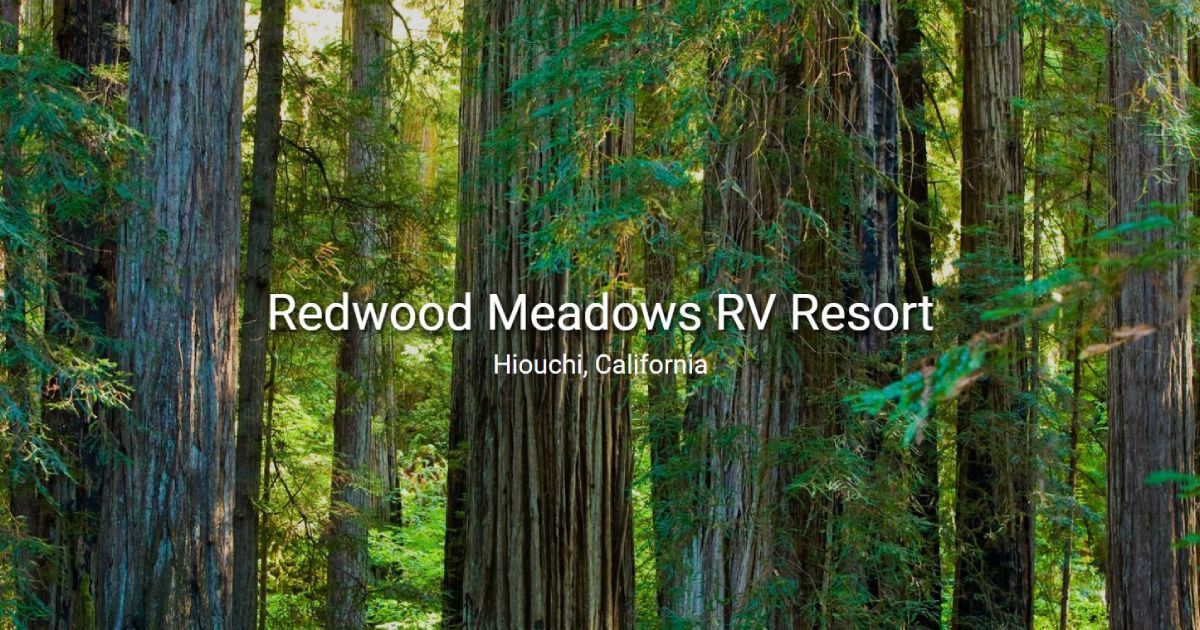
In August 2025, we stayed at Redwood Meadows RV Resort in Hiouchi, CA, and it exceeded our expectations. This updated destination delivers a magical experience within the redwoods, featuring charming, fully equipped tiny homes, cozy cabins, and a secluded yurt.
We brought our RV and enjoyed a spacious, level, paved site with full hookups (30/50-amp electric, water, sewer), dependable high-speed Wi-Fi, spotless modern bathrooms and showers, and on-site laundry facilities.
The park is 1 mile from Jedediah Smith Redwoods State Park and has a redwood trail across the street. We relished the tranquility of the forest and a generously sized, immaculately maintained dog park. It’s an ideal spot for a glamping retreat, and we highly recommend it.
This shift toward experiential travel, where the accommodation is part of the adventure, makes the outdoors accessible to a broader audience.

Here are the top Trending Themes and Focus Areas to look out for in 2026:
The "Delivered" Experience: 44% of rentals are now delivered directly to the destination, relieving the stress of driving for first-time RVers.
This figure represents a significant shift from prior years, highlighting the increasing demand for convenience and ease among travelers.
For RV site owners, this trend indicates a potential growth area, as more customers seek hassle-free experiences. Using booking platforms like Spot2Nite and SEO-optimized websites is crucial for visibility, as younger travelers expect instant online booking.
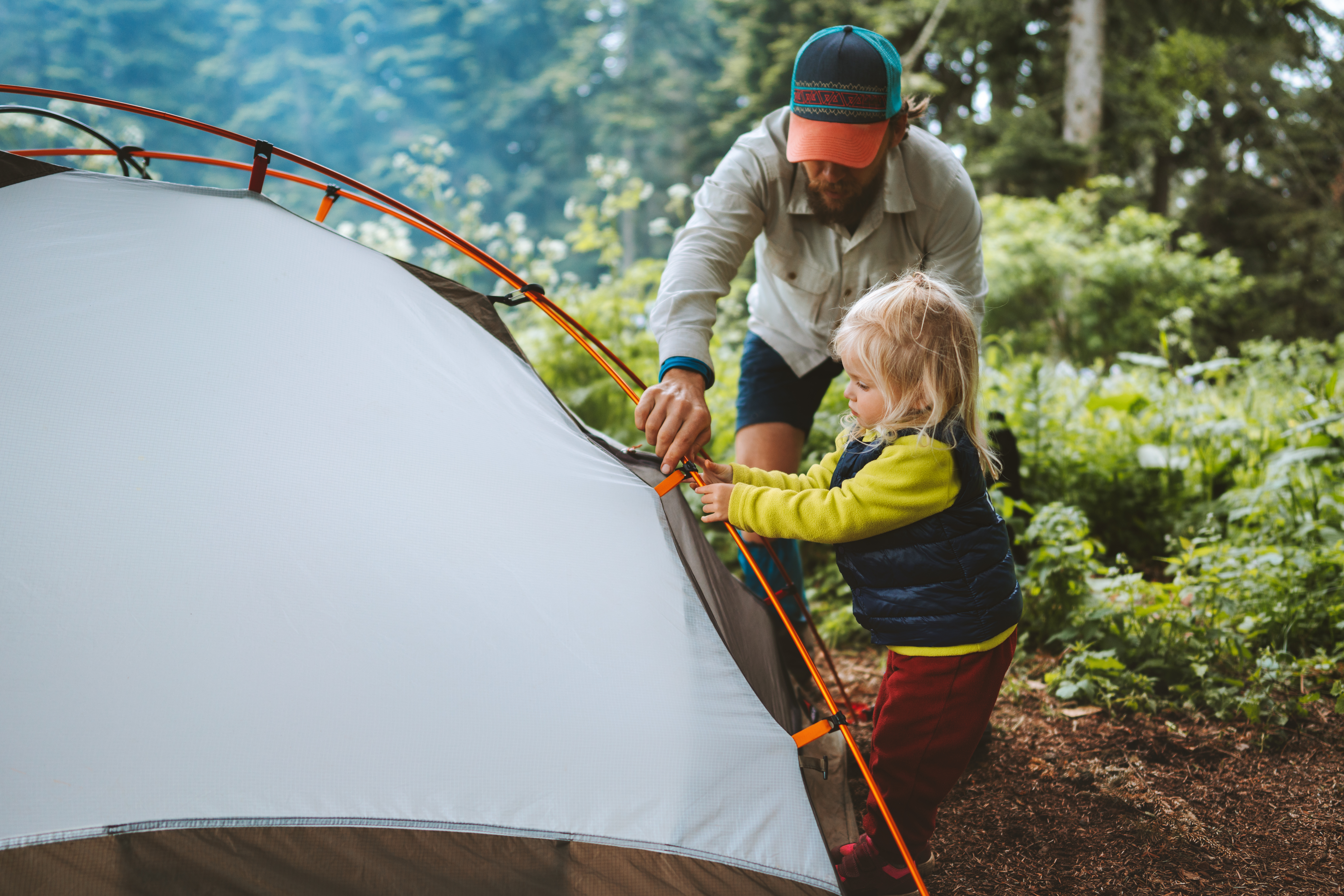
Hybrid Stays: RV parks now offer unique, upscale options such as treehouses, domes, and safari tents in addition to standard RV sites.

Sustainability and Nature: More travelers seek eco-friendly, immersive outdoor experiences. RV park owners can respond by installing solar panels to reduce energy use, installing composting toilets to conserve water, and collecting rainwater for non-potable uses. Choosing recycled or bamboo-based materials for structures and interiors furthers sustainability. Planting native species supports wildlife and attracts eco-conscious guests.
To promote these upgrades, owners should consider available grants and tax credits for sustainable investments. Many find that upfront costs are offset by incentives and the appeal to environmentally minded travelers, resulting in higher occupancy rates and improved returns.

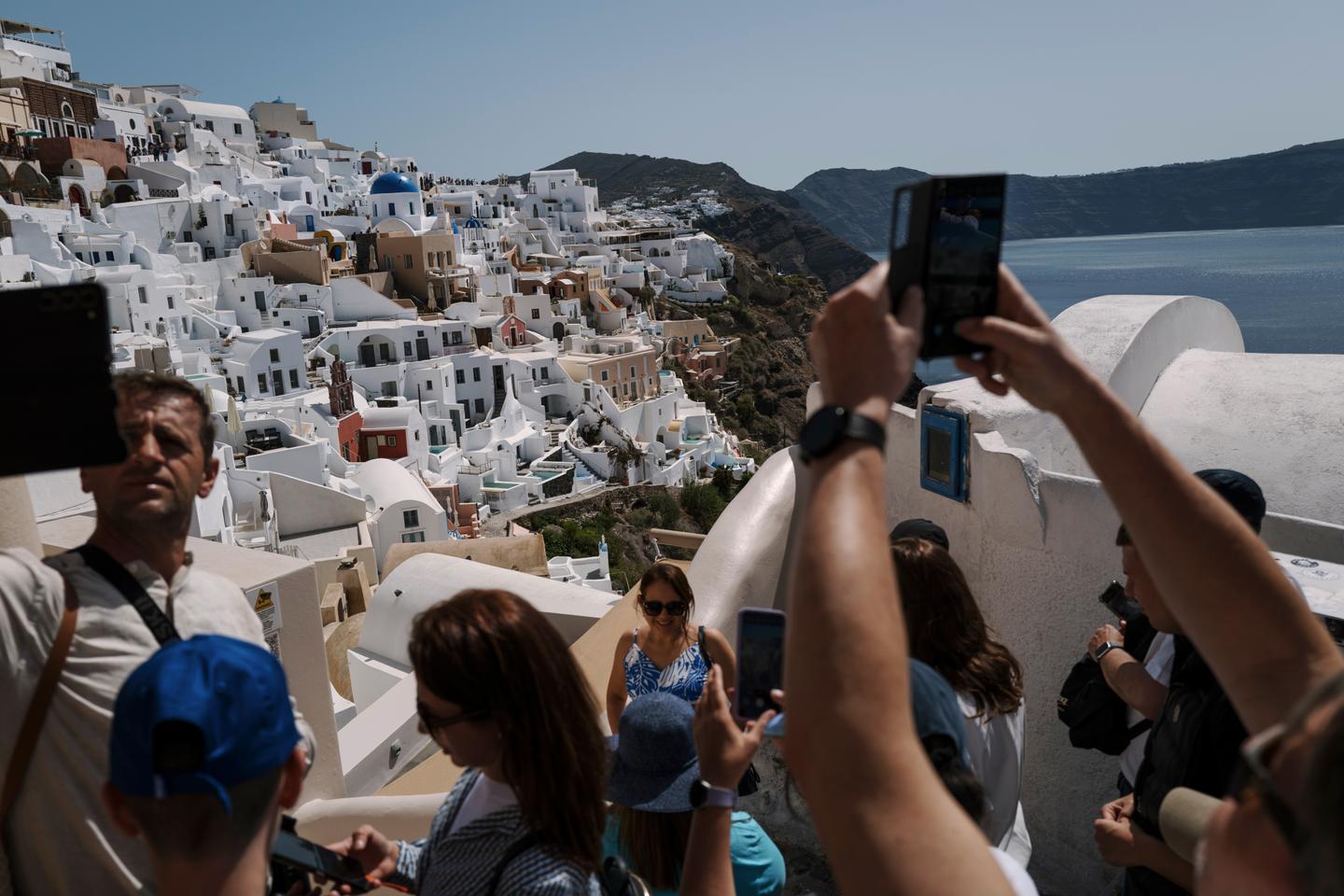
Social-First Content: Today, most people find new places through Facebook, TikTok, and Instagram, especially from user posts and influencers. RV park owners encourage guests to tag their location in posts and stories, which helps more people discover it. When guests share their experiences, they become brand ambassadors and help boost the park’s online presence.
To enhance engagement, RV parks can introduce photo contests where guests share their best shots from their stay, offering small rewards or discounts for the most popular posts. These tactics not only increase visibility but also foster a sense of community among visitors.

Elevated Comfort: In 2026, RV glamping focuses on amenities like hot tubs, luxury bedding, and smart home features. Using booking platforms like Spot2Nite to list available spots makes it easier for travelers to find and book them.
Top Resources/Blogs to Watch:
RVshare Blog (2026 Trends): Highlights top products, rental trends, and the increase in RV delivery services.
The Dyrt's 2026 Camping Report: Provides data-driven insights into the largest U.S. camping and RVing communities.
American Glamping Association: Tracks the evolution of outdoor hospitality from niche to mainstream, with insights into marketing trends.
Petite Retreater: Covers glamping trends and highlights specific, curated, and often unique luxury destinations.
Road Trips for Families: Features practical, family-focused, high-comfort RV trips and curated luxury outdoor experiences.
Instagram Accounts (such as #GlampingLife and #GlampHER): These accounts show eye-catching photos of unique places to stay, including Airstreams, upgraded luxury RVs, and fixed-location sites.
Key Search Areas for 2026:
Luxury RV Rentals (Class C & Fifth Wheels): Demand is strong for rentals with multiple sleeping areas and premium features, typically costing $200 to $350 per night. These rentals regularly achieve occupancy rates above 80% during peak seasons, making them a lucrative option.
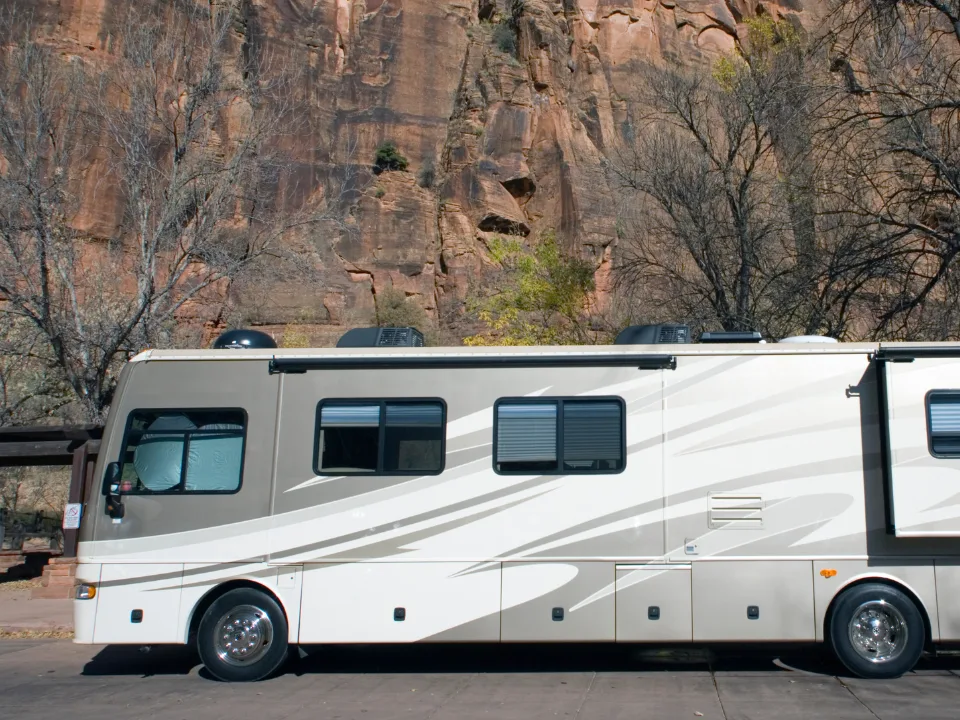
Guests report high satisfaction, so investing in luxury RVs could be smart for park owners targeting high-end visitors. However, owners should weigh challenges such as steep maintenance costs, weather and seasonal impacts, and the need for ongoing interior upgrades to satisfy guests. Balancing profitability against these factors will help owners make sound investment decisions.
Many guests also prize comfort alongside sustainable, local, and family-based experiences.
In summary, the RV park industry is evolving from simple parking to high-end, themed resort experiences, driven by demand from Millennials and Gen Z for unique, photogenic, and comfortable, hotel-like stays. To succeed in this competitive landscape, owners focus on immersive environments, ensuring that their park acts as a destination that delivers a shareable, curated, and relaxing experience rather than just a place to sleep.
Happy Glamping!


Comments