

Comprehensive RV Insurance Guide: Secure Your Adventures Safely

Updated: Feb 13

Enjoy the freedom of the open road while safeguarding your investment. Beyond just driving, you need to protect your rolling sanctuary.
Discover our comprehensive guide to RV insurance, featuring top providers and insider strategies to secure reliable, affordable coverage so you can enjoy your adventures safely.
Why RV Insurance Matters
The Reality Check: Many owners assume their car insurance extends to their RV. In reality, auto policies commonly fall short on "lifestyle" risks, like campsite liability or the theft of personal belongings inside the RV (RV Insurance Designed for Life on the Road). For example, if your laptop and camping supplies are stolen from your RV while it's parked overnight at a national park, your regular auto insurance usually won't cover the loss. Or imagine a guest slips and gets injured on your steps while you're set up at a campground—without dedicated RV coverage, you could be left paying medical bills out of pocket.
What’s at Stake?: Without a dedicated RV policy, you could be stuck paying out of pocket for:
Collision Repairs: Fixing your rig after an accident.
Personal Belongings: Coverage for the gear, electronics, and appliances inside.
Campsite Liability: Protection if someone is injured in or around your parked RV.
Total Loss Recovery: Replacing your RV if it's stolen or totaled.
Emergency Expenses: Paying for lodging if your RV is rendered uninhabitable during a trip.
The Result: True RV insurance buys you more than a policy; it buys you the freedom to explore without the "what-if" hanging over your head.
Pro-tip: Some providers offer "Full-Timer" coverage for those living in their rig year-round, which mimics homeowners' insurance.
Note: Not all RVs are created equal, and neither are their insurance policies. Motorized RVs and travel trailers pose different risks, so your policy ought to match what you're bringing on the road.
Motorhomes vs. Travel Trailers: Choosing Your Ultimate Adventure Rig
Whether you're dreaming of a cross-country road trip or a weekend getaway, choosing the right RV is the first step. Generally, RVs fall into two categories: Motorhomes (you drive them) and Travel Trailers (you tow them). Here is a breakdown of the types and what you need to know about insuring them.
Motorhomes: The "All-in-One" Option
Motorhomes are self-propelled vehicles that combine living quarters with the driver's cabin. You can move from the driver’s seat to the kitchen without stopping.
Class A: These are the luxurious, bus-like giants of the road. Offering maximum space and amenities, they are ideal for full-timers but come with higher insurance premiums due to their size and value (How much does Class A RV Insurance Cost?).
Class B: Camper Van conversions that are agile, easy to drive, and perfect for adventurous couples or solo travelers. Their smaller footprint often makes them more affordable to insure (Class-B RV Insurance Rates).
Class C: Instantly recognizable by the over-the-cab sleeping or storage area. Built on a truck chassis, they offer a comfortable middle ground in both space and insurance costs (Class C Motorhome Insurance Rates).
Travel Trailers: The Flexible "Tow-Behind" Option
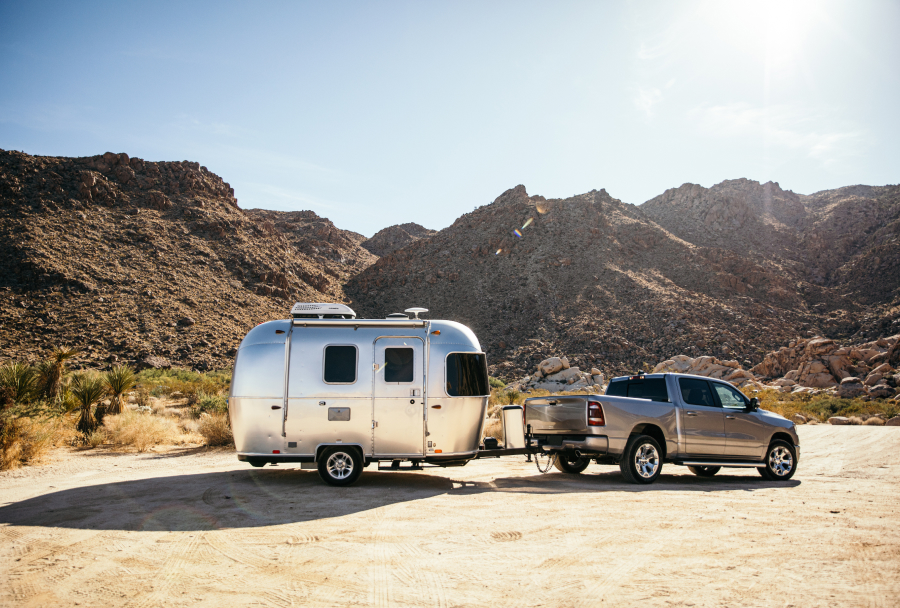
Travel trailers are towed behind a vehicle, meaning you can unhitch at your campsite and use your truck or SUV to explore the area.
Conventional Trailers: Ranging from small to large, these use a standard bumper hitch and are great for families.
Fifth-Wheel Trailers: These larger, multi-level trailers require a special hitch in the pickup truck bed. They offer stability and high ceilings, making them feel like a condo on wheels.
Pop-Up Campers: Lightweight, budget-friendly, and perfect for beginners. Their fold-out canvas sections make towing and storage easy.
Protecting Your Investment: Insurance Essentials
Whichever route you take, proper insurance is essential.
Motorhome Insurance: Similar to auto insurance, but includes specialized coverage for the "living" components.
Travel Trailer Insurance: While not always legally required, as with motorhome insurance, it is highly recommended to cover the trailer, your personal contents, and liability while parked or in transit. However, insurance requirements for travel trailers vary from state to state. To avoid confusion and ensure compliance, always check your state's DMV or insurance department website for the most current travel trailer insurance laws and regulations.
What RV Insurance Covers
Protecting your home-on-wheels requires specialized RV insurance, since standard auto policies often miss unique, full-time, or travel-specific risks. Essential coverage combines liability, collision, comprehensive (fire, theft, weather), and uninsured motorist. Add-ons like total-loss replacement, personal belongings coverage, and emergency expense coverage ensure you’re fully covered on the road.
Here is a breakdown of what comprehensive RV insurance covers to keep you protected on the road:
Core RV Insurance Coverage
Liability Coverage (Property & Injury): Mandatory in most states, this pays for damages or injuries you cause to others while driving.
Collision Coverage: Covers repairs to your RV if you hit another vehicle or object, or if it overturns.
Comprehensive Coverage: Protects against non-collision incidents, including theft, vandalism, fire, storms, and hitting an animal.
Uninsured/Underinsured Motorist Coverage: Steps in if you are in an accident with a driver who has no insurance or insufficient coverage (Uninsured/Underinsured Coverage).
Personal Belongings Coverage: Covers loss or damage to personal items inside your RV, such as clothing, electronics, or camping gear.
Emergency Expense Coverage: Reimburses you for lodging, meals, and transportation if your RV is disabled due to a covered claim while on a trip.
Roadside Assistance: Provides 24/7 help for towing, flat tires, fuel delivery, or lockouts.
Pro Tip: If you live in your RV, full-timer coverage is essential to bridge the gap between auto and home insurance, ensuring your liability is covered when parked for long periods.
Full-timer coverage typically includes:
Personal liability: Protects you if someone is injured or their property is damaged while you are parked and living in your RV, similar to a homeowner's policy.
Medical payments: Helps pay for medical expenses if a visitor is accidentally hurt in or around your RV.
Loss assessment: Offers protection if you are held responsible for damages to shared property at an RV park or association.
Additional living expenses: Covers costs like lodging or meals if your RV becomes uninhabitable due to a covered loss.
Note: This specialized protection is designed for full-time RVers, so you can travel and stay put with confidence.
How to Compare RV Insurance
Choosing the right RV insurance involves balancing cost, coverage, and customer service. Your home on wheels has unique risks that standard auto insurance won't cover, so it is crucial to compare providers.
Here are the key factors to consider when evaluating RV insurance providers:
Financial Stability (The Safety Net): Only consider insurers with strong financial ratings from A.M. Best or S&P. You need to know they can pay out in major disasters.
RV Specialization: Opt for insurers that specialize in RVs. They understand unique needs such as total-loss replacement, personal effects, and specialized towing.
Coverage Tailored to Your Usage: Are you a part-time weekend warrior or a full-timer? Ensure the policy covers your lifestyle, including add-ons like vacation liability, pest protection, or roof repair.
Discounts & Bundling: Look for savings on bundling home/auto policies, safe driving records, or security device installation.
Seamless Claims Process: Research customer reviews and check J.D. Power ratings to ensure the company handles claims efficiently.
State Availability: Confirm the insurer operates in your home state, as coverage availability varies significantly by region.
Top RV Insurance Companies and Their Features
Finding the right RV insurance means balancing cost with specialized coverage for your home on wheels. Leading providers like Progressive, Good Sam, and Roamly offer competitive rates, features like full-timer policies, and robust roadside assistance (Roadside Assistance & Trip Interruption Claims). When comparing, focus on claims handling, specialized coverage, and available discounts to ensure your policy fits your travel lifestyle.
Top RV Insurance Providers for 2026
USAA: Great choice for Military/Veterans
If you're a veteran or service member, USAA is a top contender for RV insurance. They cover all the bases—motorhomes, travel trailers, and truck campers—and provide a 5% discount just for being a member. Combine that with potential savings for paying in full or using EFT, plus great perks like 24/7 fraud monitoring, and it's a solid choice for protecting your home on wheels.
Progressive: Best Overall RV Insurance
Looking for the total package? Progressive is hard to beat. They are top-rated for affordability and offer some of the most comprehensive coverage options, including pet injury coverage and total-loss replacement. Whether you live in your rig full-time or have a weekend travel trailer, they have you covered. You can also bundle with auto or home insurance for extra savings and manage everything through their online tools.
Good Sam: (via National General): Best for Full-Timers
Live on the road? Good Sam offers specialized coverage for full-timers, including high-limit policies for your home-on-wheels. With plans for motorhomes, trailers, and fifth-wheels, plus Good Sam Club discounts and roadside assistance, it’s a top choice for dedicated RVers.
Roamly: The Top-Rated Insurance for RV Rentals
Specifically designed for peer-to-peer sharing, Roamly lets you rent out your RV without canceling your coverage. With tailored, customizable policies that often save owners 25% or more compared to traditional providers, Roamly is the ultimate partner for turning your RV into a profitable business.
Allstate: Top Choice for Motorhomes
As the powerhouse behind Good Sam, Allstate offers unrivaled, specialized coverage for large rigs. If you want reliable, expert protection for your home on wheels, this is your go-to insurer.
AAA Premier RV: Best for Roadside Assistance
If you're looking for peace of mind on the road, AAA Plus RV and Premier RV memberships provide robust, tailored protection. These plans go beyond standard coverage, offering up to 100 miles of towing, emergency fuel delivery, and specialized help for dual-wheeled tires. With a 3-day wait time, you get access to advanced winch services—up to 2 hours for Premier members—and your coverage applies to personal cars, motorcycles, and trailers too. Plus, they offer trip interruption coverage, just be sure to verify if diesel delivery is available in your area.
Key Features to Consider
Full-Timer Coverage: Essential if your RV is your primary residence, providing liability protection similar to a homeowner's policy.
Total Loss Replacement: Replaces your RV with a new one of the same make and model if it is totaled, rather than paying its depreciated market value.
Vacation Liability: Covers injuries or property damage occurring around your campsite when parked, even if you are not actively driving.
Emergency Expenses: Covers lodging and food if your RV is damaged or stolen while on a trip.
Roadside Assistance: A critical add-on for towing, lockout service, and tire changes.
By comparing these specialized features, you can ensure your home-on-wheels is protected, whether you're traveling full-time or only on weekends.
How to Get the Best Rates on RV Insurance
RV insurance premiums can swing wildly based on what you drive, where you park, and how you travel. Don’t settle for the first quote you see! Here is how to lock in the best coverage for the best price:
Shop Around (Seriously): Get quotes from at least three insurers to compare rates and coverage.
Bundle and Save: Combine your RV policy with your auto or home insurance for significant multi-policy discounts.
Keep a Clean Record: A safe driving history is the best way to keep premiums low.
Customize Coverage: Avoid paying for insurance you don't need while ensuring you have enough protection for your specific rig.
Boost Security: Install alarms and GPS trackers, or store your RV in a secure facility, to qualify for lower rates.
Limit Your Mileage: If you only travel seasonally, look for insurers that offer lower rates for part-time use.
Pro Tip: Set a reminder to review your policy every year (before it auto-renews) to ensure adequate coverage for changing usage patterns, update the policy to reflect the current market value of your RV, add new safety equipment, and take advantage of new, lower premiums.
Common Questions About RV Insurance
Navigating RV insurance ensures your home-on-wheels is protected on and off the road. Liability coverage is generally mandatory for registered motorhomes, but requirements differ by state and trailer type. Specialized policies are strongly recommended over standard auto insurance to cover unique needs, such as personal belongings and living quarters.
Here are the most common questions answered:
(1) Is RV Insurance Required by Law?
It depends on your vehicle type and state regulations.
Motorhomes: Most states require liability coverage (bodily injury and property damage) for motorized RVs.
Travel Trailers/Campers: Often, these do not require separate insurance while being towed, as the towing vehicle's liability coverage covers them.
Financed RVs: If you are financing, lenders will mandate comprehensive and collision coverage, regardless of state law (Is RV Comprehensive and Collision Insurance Required?).
Actionable Tip: Check your state's DMV website for specific regulations.

(2) Can I Use My Standard Auto Insurance?
Standard auto policies typically do not fully cover RVs.
Standard auto insurance usually does not cover the "home" aspects of an RV. This includes appliances, personal belongings, and liability if someone is injured inside the parked RV.
Specialized RV insurance is recommended to cover the full value, custom features, and unique risks of the vehicle.
(3) Does My Policy Cover Rentals or Borrowed RVs?
Coverage for rental or borrowed RVs can vary.
(4) What Factors Affect My RV Insurance Premium?
Several factors determine the cost of an RV insurance policy:
RV Type and Value: Motorhomes generally cost more to insure than travel trailers (Personal RV Insurance Guide: Coverage & Costs, 2024).
Usage: How frequently the RV is used.
Location: Where the RV is registered and stored.
Driving Record: The history of accidents or violations.
Coverage Limits: The amount of coverage chosen, including specialized options like total loss replacement or roadside assistance.
Pro Tip: For the best protection, consult a licensed agent to tailor a policy to specific travel needs.
Navigating RV Insurance Claims: A Proactive Guide
Filing an insurance claim can be stressful, but being prepared makes all the difference. If you experience damage, take these steps to ensure a smooth, prompt settlement:
Document Everything Immediately: Take high-quality photos and videos of the damage from multiple angles before moving your rig. Don’t forget to note the exact date, time, and location
Tip: One of the most common claim mistakes is moving your RV before you've fully documented the damage, which can lead to disputes and claim denials. Another pitfall is missing important insurer deadlines or failing to submit the required paperwork. Double-check all requirements and act fast to avoid delays or issues with your claim.
Notify Your Insurer Promptly: Contact your insurance company immediately—many offer 24/7 reporting—to initiate the process.
Prevent Further Damage & Keep Records: Protect your investment by making temporary, reasonable repairs to stop further issues (like leaks), but do not make permanent repairs until an adjuster has inspected the damage. Keep receipts for all expenses, including temporary fixes, towing, and lodging.
Leverage Expert Repair Shops: Work with repair centers that specialize in RVs, preferably those recommended by your insurer or known for quality work.
Follow Up Regularly: Stay on top of your claim by regularly checking in with your adjuster to track progress.
Final Thoughts on RV Insurance
Whether you are a seasoned nomad or a weekend warrior, protecting your rig is vital to worry-free adventures. Review your policy regularly, compare quotes, and ensure your coverage includes specialty RV options, such as total-loss replacement or contents coverage. Proactive planning turns potential disasters into minor inconveniences, allowing you to hit the road with confidence.
Happy Glamping!


Comments