

Mastering Off-Grid RVing in 2026

Updated: Mar 29
We’ve seen more RVers getting interested in off-grid travel, smart tech, and making their rigs both tough and comfortable. Friends of ours are using lithium batteries with big solar setups to skip noisy generators, adding Starlink for remote work, and switching to large 12-volt fridges.

If you’re thinking about these upgrades, we started by checking out solar kits, Starlink, and energy-saving appliances.
Here’s the cost breakdown: lithium batteries typically cost $700 to $2,000 each, and a complete solar panel setup (including panels, a charge controller, and an inverter) can range from $1,000 to $10,000, depending on system size and brand. Professional installation, if needed, often runs $1,000 to $2,500.
Starlink hardware usually starts at $500, with a monthly service fee after purchase, and is generally easier to set up yourself. Large 12-volt fridges range from $700 to $3,000; installation may require professional wiring, which can add $300 to $800. Even so, these upgrades can make RVing more comfortable and modern.
Here are the main RV trends we’re seeing for 2026, starting with big changes in where and how people glamp:
More RVers are skipping crowded campgrounds and choosing remote, scenic, and free places to camp. Favorite boondocking spots we looked into include Utah’s quiet BLM lands, Arizona’s Coconino National Forest, and California’s Anza-Borrego Desert State Park. This shift means off-grid features are now a top priority, leading to more demand for:
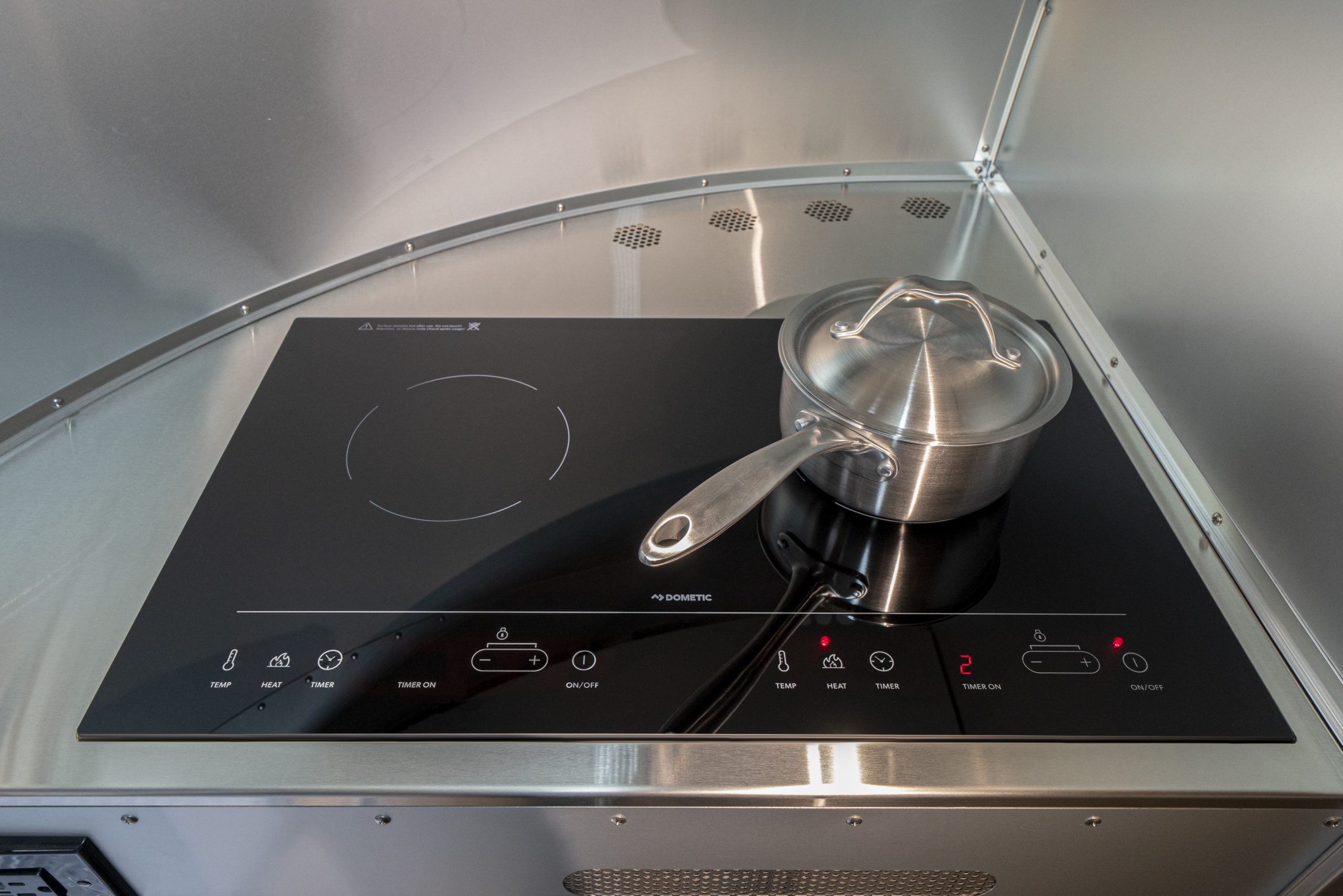
Massive Solar & Battery Power: In 2026, more RVs are using solar and large lithium battery systems instead of propane (Battery Market Insights). These setups can run air conditioning and induction cooking without a generator.
All-Electric Systems: All-electric RVs are great for remote travel and mean you don’t have to refill propane, which is a big plus. These systems need strong electrical parts, like high-capacity lithium batteries, powerful inverters (2,000-3,000W), and several solar panels to work well off-grid.
"Backcountry" & Overlanding Features: Compact, rugged RVs under 25 feet, like Class B camper vans and small Class C models, are leading the off-road market. They have 4x4 capability, high ground clearance, and tough, all-weather construction. These vehicles are built for boondocking and exploring remote areas, often with solar power, armored parts, and strong suspension for rough roads.
2. High-Tech "Smart" RVing
RVs are getting more connected, which makes them easier to use and monitor, even when you’re not there.
Starlink Integration: Modern RVs increasingly feature pre-wiring or integrated mounting for Starlink, offering high-speed, low-latency satellite internet (Starlink Roam/Mobile) designed for remote travel, provided there is a clear view of the sky. To enhance connectivity in areas with limited service, users often pair this with cellular boosters (e.g., weBoost) or Wi-Fi extenders (e.g., KING Swift) to amplify existing signals.
Key RV Internet Options
Starlink (Satellite): Ideal for remote, off-grid locations; again, requires a clear line of sight to the sky.
Cellular Boosters/Routers: Boost weak carrier 4G/5G signals, often using roof-mounted antennas.
Wi-Fi Extenders/Antennas: Capture and amplify Wi-Fi signals from campgrounds or public networks.
App-Controlled Systems: Many new RVs come with smart tech like Lippert's OneControl and Airstream Smart RV Control. You can check tank levels, control lights and HVAC, and lock doors from your phone or tablet using Bluetooth or Wi-Fi. Many systems also let you manage the awning, operate slide-outs, and check your RV’s status in real time.
Voice-Activated Commands: High-end RVs now have advanced voice controls, like RV Halo and Power Pro. These let you manage things like tank levels hands-free. In luxury models such as DRV Suites and Forest River, these systems use AI to understand natural speech, not just set commands, making everything more convenient and safer.
3. Comfort-Driven "Glamping" Features
Even in the remotest locations, we crave the familiar comforts of home.
Quiet and Efficient Cooling: The Furrion Chill Cube is a new type of RV air conditioner with a variable-speed inverter compressor. It runs much quieter and is more energy efficient than older models. (Furrion Chill Cube 18K BTU Variable Speed RV Rooftop Air Conditioner, 2026). These units also avoid high-amp startup spikes, making off-grid power management easier and allowing you to use small generators or inverters.
Key features and benefits of the Furrion Chill Cube include:
Variable Speed Inverter Compressor: Unlike traditional on/off ACs, this technology allows the compressor to adjust to real-time cooling needs, resulting in 40-50% lower power consumption and eliminating harsh starts or the need for an aftermarket soft-start device.
Noise Reduction: The Chill Cube is very quiet, with reports of 38 dB on low and 50 dB on turbo for ducted models. This keeps campsites peaceful, follows land-use rules, and helps everyone get along better.
Power Management: The unit has a gear function, so you can lower its capacity to 50% or 75% to save power when you’re using limited sources, like 30-amp hookups or a generator.
Installation & Efficiency: These units fit standard 14-inch RV openings and often use condensate to cool the coils, making them even more efficient.
Capacity: The 18,000 BTU model provides strong, steady cooling and can handle high temperatures, as tests up to 105°F have shown.
Residential Appliances: Upgrading an older RV from a propane or absorption fridge to a large 12-volt (12V) compressor model gives you more space and faster cooling. However, you’ll need to upgrade your RV’s power system. Older fridges can run on propane for weeks, but 12V models use a lot of power and can drain a single battery in just 12 hours. (Freestanding RV Refrigerator Market Size, Potential, Industry Growth & Forecast 2033, n.d.) Before upgrading, check your RV’s wiring and battery capacity to make sure they can handle the new fridge. This helps you avoid costly mistakes and stay safe. 200Ah+ Lithium (LiFePO4) battery provides ample power for high-demand devices like microwaves, coffee makers, and 12V compressor refrigerators, ideal for 1-3 days of off-grid camping.
Solar: Add at least 200W of solar panels. A DC-to-DC charger is essential to keep the fridge from overloading your vehicle’s charging system and to make sure lithium batteries charge properly.
Wiring: Use 10-gauge wire from the battery to the fridge to reduce voltage drop, which can cause the compressor to fail or the battery to die early.
Safety: Cap off the propane line and add a fuse or circuit breaker to prevent electrical fires. When you remove the propane (absorption) refrigerator, a gas line is left behind. It’s important to seal this line to prevent dangerous gas leaks if someone turns on the main tank.
Ventilation: Seal up the old, large exterior roof or wall vents, since 12V fridges don’t need them.
Convection Air Fryer Microwaves: These new 4-in-1 or 8-in-1 appliances combine several cooking methods in one device. They often work as a microwave, convection oven, air fryer, roaster, and broiler, saving counter space.
Lighter, Brighter Interiors: RVs are moving away from dark wood and now have brighter, more open, home-like spaces. This trend makes small, mobile homes feel bigger, more welcoming, and more like a modern house.
4. Outdoor Living and "Work-Ready" Spaces
As more people work while traveling, RVs are now designed to be both offices and comfortable outdoor spaces.
Outdoor Kitchens and Patios: New RVs have better outdoor kitchens, improved awnings, and side drop-down porches. These features give you a safe, raised outdoor space, add usable area, and make things safer for kids and pets.
Dedicated Workspaces: More RVs now have built-in desk areas for remote work.
Pet-Friendly Features: Built-in perks for pets, like leash latch points and pet monitors, are now more common in RVs.

5. Increased Safety for Towables
Many trailer owners want to add or upgrade safety tech, like ABS (anti-lock braking system) and TPMS (tire pressure monitoring system), to their travel trailers and fifth wheels. Brands such as Tekonsha for ABS and Schrader for TPMS are good places to start if you want to upgrade. If your trailer is older, you can often add these systems to improve safety without spending a lot. It’s smart to talk to a professional to see what works for your RV and how to install it.
In summary, moving toward smart, off-grid RVing in 2026 means adding solar panels and lithium-ion batteries so you can use generators less often (RV Associations Forecast for 2026). Technologies like Starlink Roam make remote work possible from many places, and app-controlled systems and efficient appliances bring together rugged features and comfort. The main goal of future-proofing your rig in 2026 is to make it sustainable, connected, and safe.
Happy Glamping!
Thanks for stopping by! This post may contain affiliate links, meaning we get a small commission if you purchase through them—at no extra cost to you. These partnerships help keep the site running, and we appreciate your support! For more information, check out our full disclaimer.


Comments