

What is the current state of the RV market?

Updated: Mar 29
This is an excellent time to purchase an RV! High inventory and lower prices provide buyers with more choices and stronger negotiating power. Many dealers are motivated to sell, delivering potential discounts and added incentives.

The RV market currently favors buyers, with high inventory, falling prices, and slowing new RV sales, particularly for motorized models.
As we plan to upgrade from our bunkhouse travel trailer, we have observed that the industry is still adjusting after the pandemic surge. While demand remains, high inflation and interest rates are prompting greater caution among buyers.These conditions generate favorable deals for buyers, while manufacturers face pressure to consolidate. For example, in March 2025, THOR announced it would integrate its Heartland Recreational Vehicles brand under Jayco, Inc. to improve operations and reduce costs during a prolonged downcycle.
Leveraging 25 years in consumer lending, I see a prime market for buyers right now. Reduced prices and high inventory across new and used RVs give buyers significant leverage in negotiations, securing discounts and incentives.
Key Market Patterns (Early 2026):
Sales Slowdown: Although new RV sales are down year over year, the decline has slowed compared to previous years. As a result, dealers have more RVs in stock than buyers want, which is driving prices down.
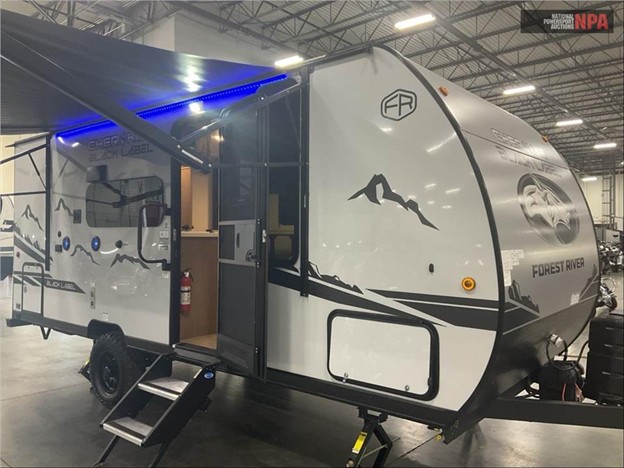
Two-Tiered Market: Towable RVs (travel trailers, fifth wheels) are performing better than motorized RVs, which are seeing larger sales drops.
Economic Obstacles: Inflation, high interest rates, and tariff uncertainty continue to limit purchasing power. Higher interest rates have increased RV loan costs, resulting in higher monthly payments. For example, a $60,000 RV financed over 15 years at 6.5% interest results in a monthly payment of about $522, compared to $445 at the previous 4.5% rate. Lenders are also tightening requirements, and fewer promotional financing offers are available. Prospective buyers should carefully review loan terms and total borrowing costs before purchasing.
Pro Tip: To secure better financing, review and improve your credit score, as higher scores often qualify for lower rates.
Shop Extensively: Compare loan offers from banks, credit unions, dealers, and online lenders to secure the lowest rates.
Boost Down Payment: Increase your upfront payment to decrease the principal loan amount, reducing both interest charges and monthly obligations.
Shorten Terms: Opt for shorter loan terms to minimize total interest paid over the life of the loan.
Ensure Flexibility: Ask lenders about features such as payment deferrals or refinancing options.
Get Pre-approved: Secure pre-approval to boost your negotiating power and clarify your budget.
Used Market: Prices for used RVs are dropping, especially for older models lacking features such as lithium batteries or solar panels.

RVs from 2017-2020 are often missing new features and may depreciate faster. Models with outdated electrical systems, low energy efficiency, or no solar or lithium setups are less popular and may continue to lose value.
Buyers should prioritize modern features that enhance daily use and resale value. If your budget is limited, focus on the following priorities:
1. Highest priority: Lithium batteries (for extended off-grid power) and high-capacity solar panels. These upgrades have the greatest impact on usability, energy independence, and future resale value.
2. Next, consider efficient solar charge controllers and upgraded LED lighting throughout the interior and exterior, since these improve power management and reduce ongoing energy costs.
3. If you have additional budget, energy-saving appliances, modern climate control systems, and quality insulation can create a notable effect in comfort and operating expenses.
4. Lastly, upgraded connectivity solutions—such as cellular boosters or Wi-Fi routers—are highly desirable for tech-savvy buyers, but can be added or upgraded later as needed.
Choosing models with at least the top-priority features ensures better long-term value and enjoyment, and makes future upgrades easier if your budget allows.
Consumer demand holds strong: High search volume and robust rental inquiries point toward a significant uptick in Spring 2026.
What This Means for Buyers:
Deals Available: Discounts are available on the remaining 2025 models and on 2026 units from motivated sellers as 2026 units arrive.
Begin by contacting local dealerships to find inventory-clearing prices. Search large inventories on platforms such as RV Trader, Facebook Marketplace, and Camping World to negotiate directly with sellers. Attending regional shows and end-of-season dealer events is also recommended for finding deals and examining new layouts, storage solutions, and design trends.
Industry Websites: Utilize Go RVing's event calendar to search for shows by state or date.
Leverage High Inventory: Use excess stock to your advantage, particularly on motorized units.
Research: Back your offer with recent sales data.
Negotiate: Ask, "What’s your best price today?" or "What extras can you include?"
Demand Value: Request free delivery, extended warranties, or service packages.
Be Ready to Walk: Dealers often improve their offer when you start to leave.

While used RVs offer better value, compare similar models to ensure competitive pricing, and be vigilant about potential depreciation risks and outdated features in older units.
Make a confident RV purchase with our FREE inspection checklist. Evaluate the roof, walls, appliances, plumbing, and mechanicals—plus check for upgrades like lithium or solar. Download now to ensure you're buying a sound investment.
Pro Tip: As a consumer lender with more than 25 years experience in RV sales, I frequently saw first-time buyers make two critical mistakes: letting emotions override inspections and underestimating long-term maintenance costs. Overlooking red flags like water damage or outdated electrics leads to costly repairs, while failing to budget for insurance and upkeep undermines ownership. Prioritizing due diligence ensures a smarter, more reliable investment.
What This Means for the Industry:
Key Trends and Impacts:
Market Stabilization & Growth: The industry is transitioning toward stability, with 2026 shipments projected at approximately 350,000 units, a 2.8% year-over-year increase. Long-term outlooks remain strong, with a projected 11.5% CAGR through 2030.
Buyer’s Market & Inventory: High dealer inventory, particularly of 2025 "hold-over" units, means dealers are offering discounts, creating a buyer's market.
Shifting Demographics: Over 60% of new campers are now from younger generations (millennials and Gen Z), driving demand for modern, connected, compact, and eco-friendly RVs.
Used vs. New Dynamics: While new, high-priced, and high-interest-rate models are seeing slower sales, the used market is seeing strong demand, offering a more affordable entry point for consumers.
Technology & Innovation: Trends focus on solar power, eco-friendly and energy-efficient materials, and improved climate-control solutions.
Economic Pressures: Inflation and rising interest rates have increased financing costs, prompting manufacturers to offer better financing terms and greater value.
Beat the summer rush and capitalize on current buyer's market conditions. High inventory means better, more modern, and more affordable options for you. Lock in a 2025 "hold-over" model now for maximum savings and leverage.
Happy Glamping!
Thanks for stopping by! This post may contain affiliate links, meaning we get a small commission if you purchase through them—at no extra cost to you. These partnerships help keep the site running, and we appreciate your support! For more information, check out our full disclaimer.


Great write-up. The point about dealers needing to better understand servicing lithium/solar systems is spot on—that's going to be a huge differentiator soon. Thanks for the forward-thinking analysis!